
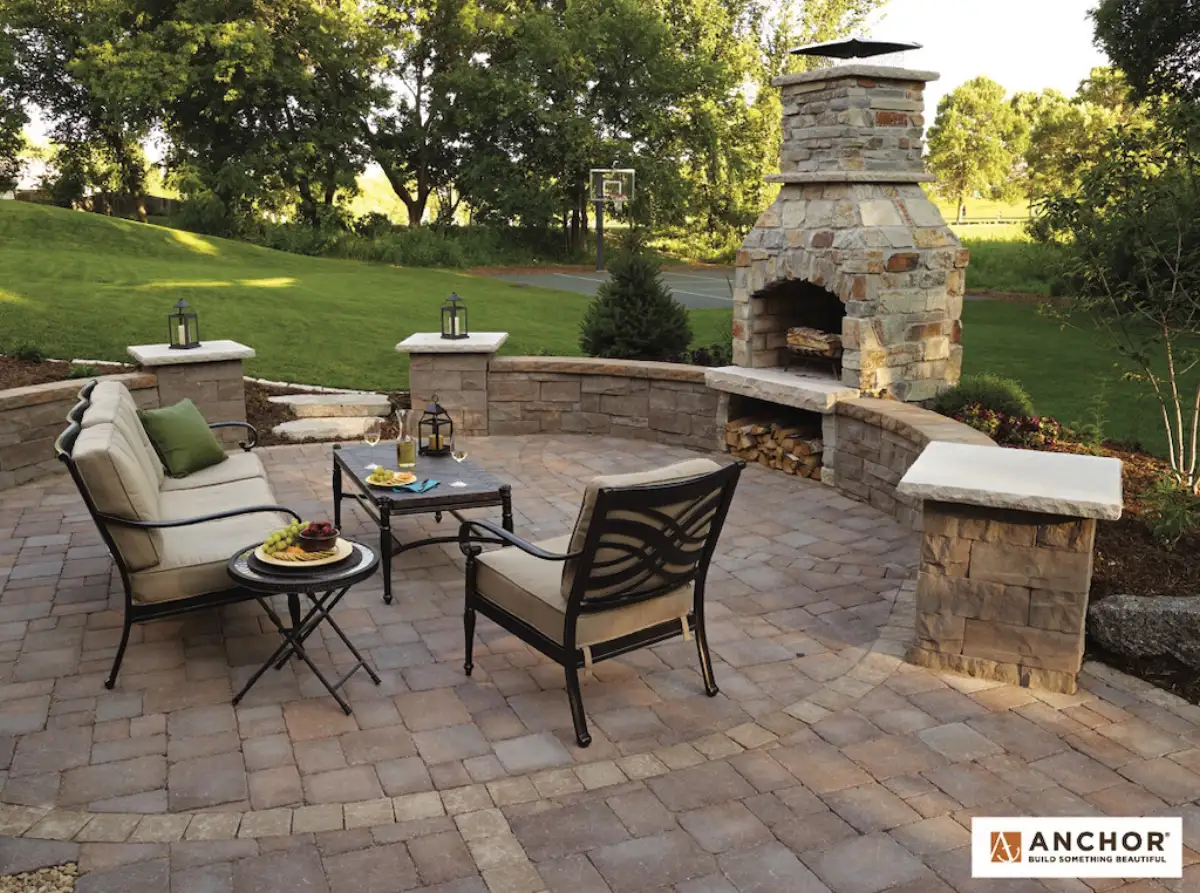
Complete Outdoor Living Spaces for Lake Minnetonka Homes
Outdoor rooms planned around real daily use: cooking, dining, lounging, fire, lighting, shade, privacy, and safe movement between the house, deck, patio, and yard.
Outdoor Rooms That Support How You Actually Use the Yard
An outdoor living project can focus on a single gathering area or connect several features across the yard. Start with the activities you want to support and the relationship between the house, patio, planting and other features. Scope, materials and site conditions shape a project-specific estimate.
The outdoor living idea has really developed over the years, and so has our ability to construct just about anything you can imagine in your spaces. From pergolas, decks, and raised gardens to privacy screen walls and outdoor kitchens, your imagination is free to dream, and we can help bring it to life.
An outdoor room should connect the activities you enjoy: cooking, dining, relaxing, and moving between the house and yard. Landscape Charlie’s design-build service brings those elements into the same project conversation. Compare the layout, materials, site conditions, lighting, and construction sequence before selecting the features.
Belgard featured Charlie Kraemer in a March 2022 discussion of how planting, materials, and outdoor features can work together. That approach is useful when considering the relationships between the house, gathering areas, routes, and garden. Review the actual products, design responsibilities, and current qualifications relevant to your project.
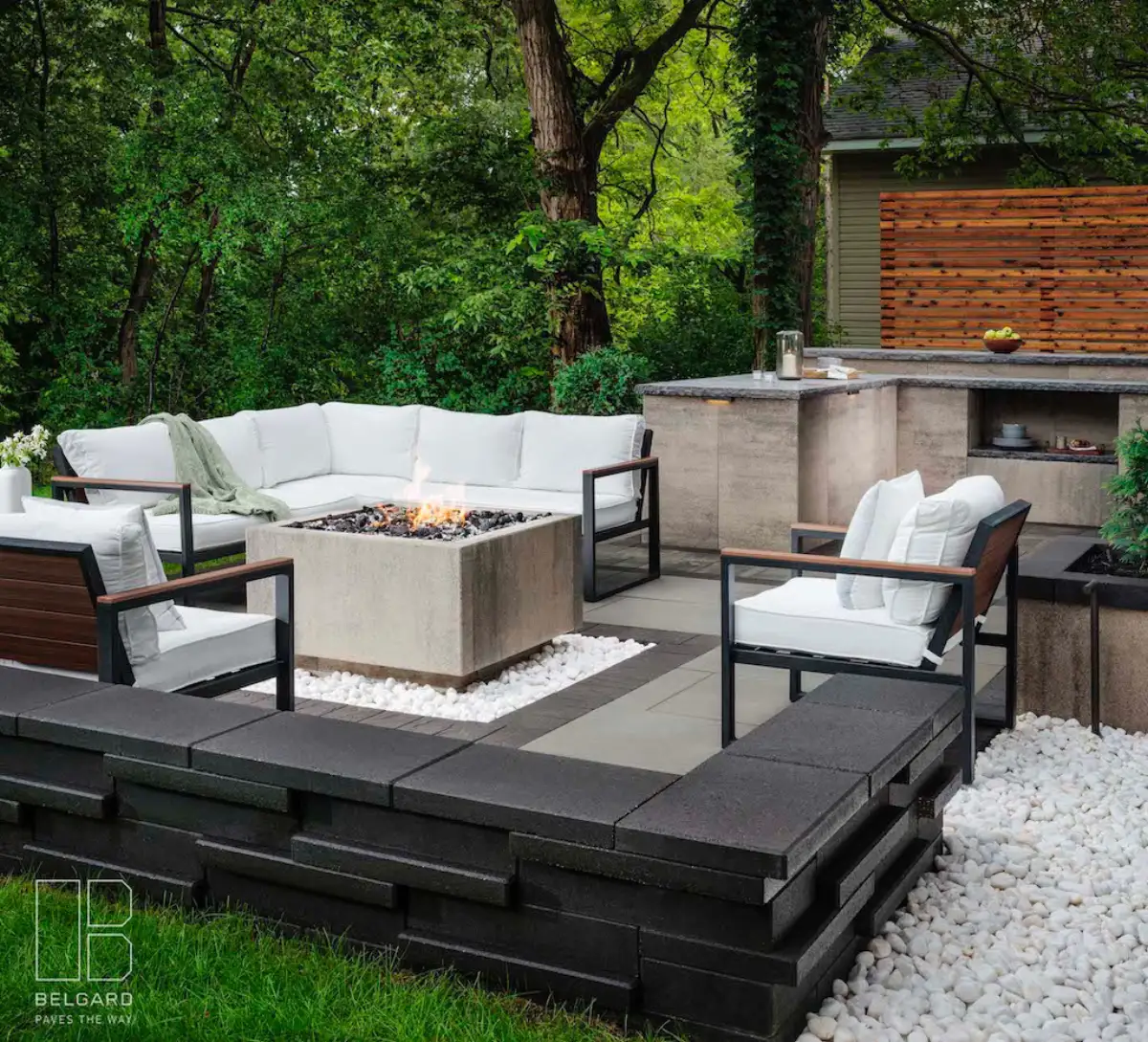
Cooking, Dining, Fire, and Shade Need Their Own Space
Outdoor living design is different from a single patio installation. The cooking zone needs access to the house and enough landing space for food prep. Dining needs a comfortable route from the grill, room to pull chairs back, and lighting that does not shine into guests' eyes. Lounge seating should feel connected but not crowded, and fire features need clearances that keep heat comfortable without forcing people too far apart.
Start with the places you want to cook, eat, relax, and move through the yard. If your property changes level, a deck-to-patio connection with steps may make those spaces easier to reach. A flatter area may suit a broad terrace defined by planting, shade, and lighting. The layout and any supporting construction need to fit the actual site.
Build the Infrastructure Before the Finishes
Many outdoor living projects are built in phases, but the hidden work still needs to be planned from day one. Gas lines, electrical conduit, wall drainage, patio base depth, future pergola footings, and lighting routes are much easier to install before the pavers are set. A thoughtful plan prevents the next phase from tearing into finished work.
If the budget calls for phases, decide what would make the first stage useful on its own. Review how later features depend on supporting construction, drainage, utilities, and access with the responsible professionals. The sequence should suit the proposed design and leave a clear scope for each stage.
What Makes an Outdoor Living Space Feel Finished
The best outdoor rooms are planned around movement, comfort, maintenance, and seasonal use before materials are selected.
Traffic Flow From the House
Door locations shape the entire project. A patio outside a kitchen door may be ideal for dining, but a fire lounge might belong farther from the house where conversation feels more relaxed. We plan walkways and steps so guests do not cut through planting beds, cross the cooking zone, or walk behind chairs to reach the yard. When a deck is involved, stair placement becomes one of the most important design decisions.
Comfort Through the Season
Minnesota outdoor rooms need to work in cool spring evenings, bright summer afternoons, and crisp fall weather. Shade, fire, wind direction, lighting, and furniture scale all affect comfort. A pergola can soften afternoon sun, a fire feature can extend shoulder-season use, and low-voltage lighting can make the space feel safe and inviting after sunset without creating glare.
Maintenance Expectations
Outdoor living should not create a second house worth of chores. We discuss how much upkeep you want before recommending pavers, natural stone, composite decking, planting beds, or built-in features. Some homeowners prefer lush planting and seasonal color. Others want durable hardscape, simple screening, and easy cleanup around cooking and dining areas.
Long-Term Flexibility
A good plan leaves room for future changes. Conduit can be roughed in for later lighting, patios can be sized for a future pergola, and walls can be placed so planting beds or additional seating can be added later. This matters when a homeowner wants to start with the most important outdoor room now and expand once the family has lived with the space for a season.
What Goes Into a Finished Outdoor Living Plan
Each service is a specialty. Together, they create something greater than the sum of their parts.
Paver Terraces for Outdoor Rooms
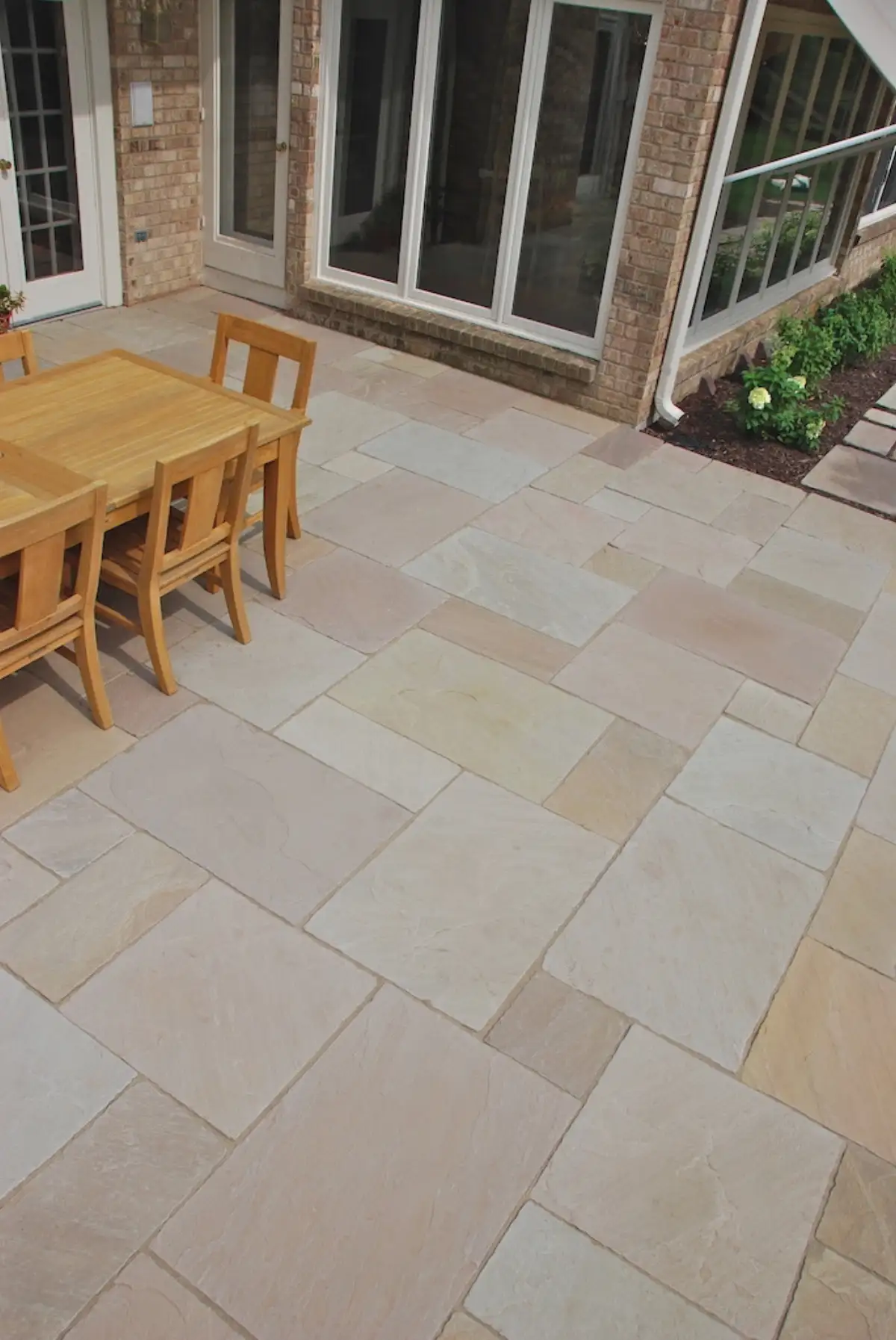
Compare paving samples, surface texture, intended use, care, and installation requirements for the products selected for your patio.
Terraced Walls for Outdoor Living
Boulders, decorative block, and natural stone. Turning slopes into usable, beautiful terraces.
Fire Lounges and Fireplace Areas
Built-in fire lounges, fireplaces, and gas tables placed for comfortable conversation, safe clearances, and cool-weather use.
Evening Lighting for Outdoor Rooms
Layered path, step, and accent lighting that keeps outdoor rooms comfortable after sunset without washing out the patio.
Pergolas, Shade, and Outdoor Structure Planning
Shade, definition, and architectural presence. Confirm the selected structure, supporting design, and applicable load requirements for your project.
Deck Connections to Patios and Lounges
Deck-to-patio transitions, landing updates, and railing details that make the house-to-yard connection feel intentional.
Comfortable Level Changes Between Rooms
Functional transitions that become design statements. Integrated with walls, patios, and plantings.
Planting That Softens Outdoor Rooms
Layered planting, screening, and seasonal texture that soften the hardscape and make the outdoor room feel settled.
Front Entries With Matching Materials
Front entries, arrival walks, masonry accents, plantings, and lighting selected to echo the backyard materials.
What Does an Outdoor Living Project Cost?
Outdoor-living costs depend on the area, existing surfaces to remove, access, ground and drainage work, materials, utilities, and included features. Separate essential work from optional additions and future phases. Request an estimate for your actual layout that identifies preparation, installation, restoration, responsibilities, and exclusions.
Starter Outdoor Living Upgrade
- Patio sized around your intended use
- Simple retaining wall or steps
- Entry plantings
- Lighting for the routes you use
Connected Outdoor Room Plan
- Connected patio and gathering areas
- Retaining walls with terracing
- Fire pit or fireplace
- Pergola or shade structure
- Lighting choices for the proposed layout
- Privacy screening and plantings
Full Property Outdoor Living Plan
- Complete property reimagining
- Outdoor kitchen with full amenities
- Outdoor fireplace
- Multi-level terracing with walls
- Pool integration
- Premium landscape lighting throughout
- Full softscape and privacy plantings
Compare a focused improvement with a broader outdoor plan. The selected features, materials, site work, and responsibilities define your estimate. Explore project planning for more ways to organize the scope.
Explore the Materials and Outdoor Spaces
See examples of the surfaces, seating and landscape details that can inform your project conversation.
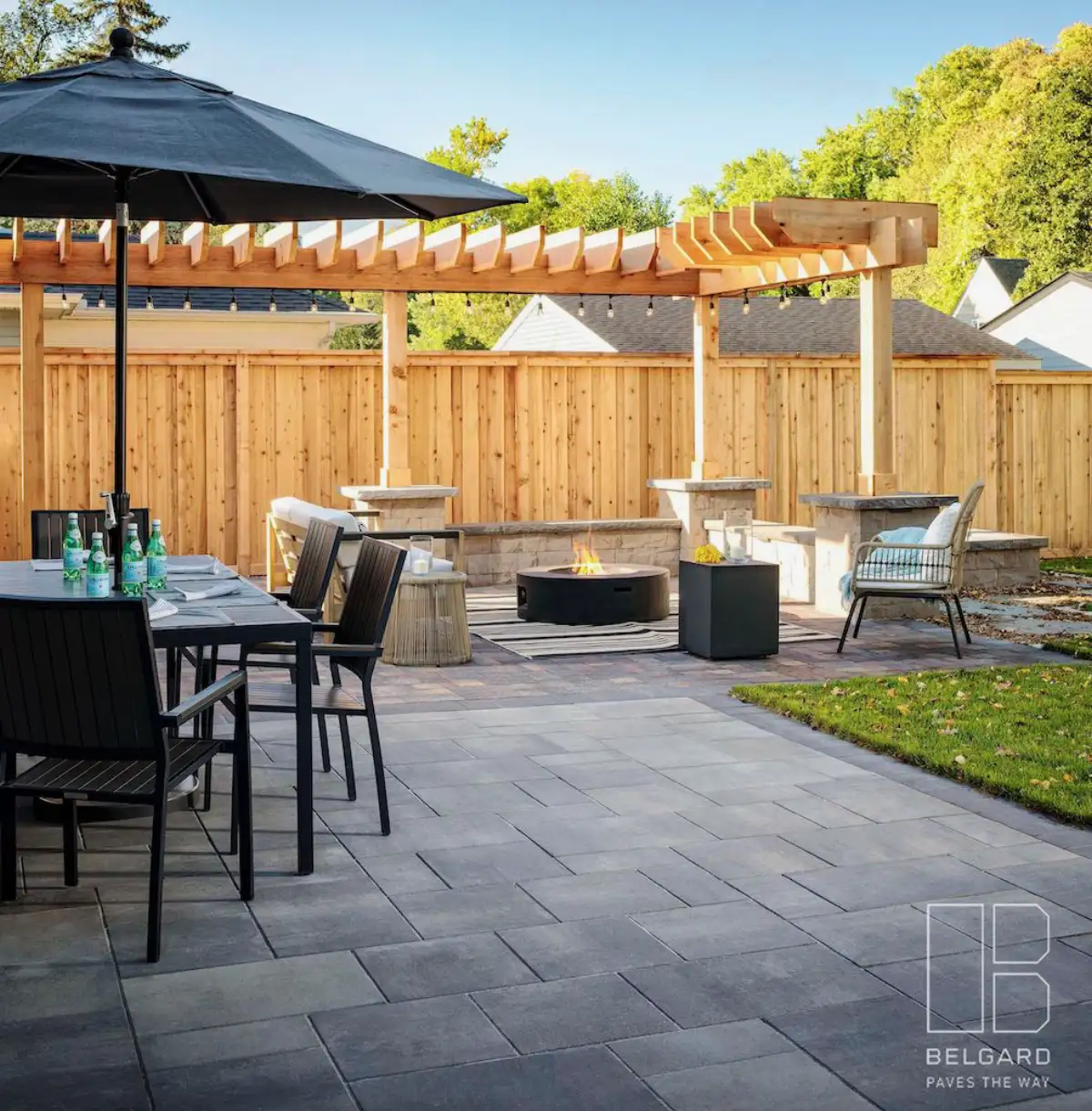
Patio Details
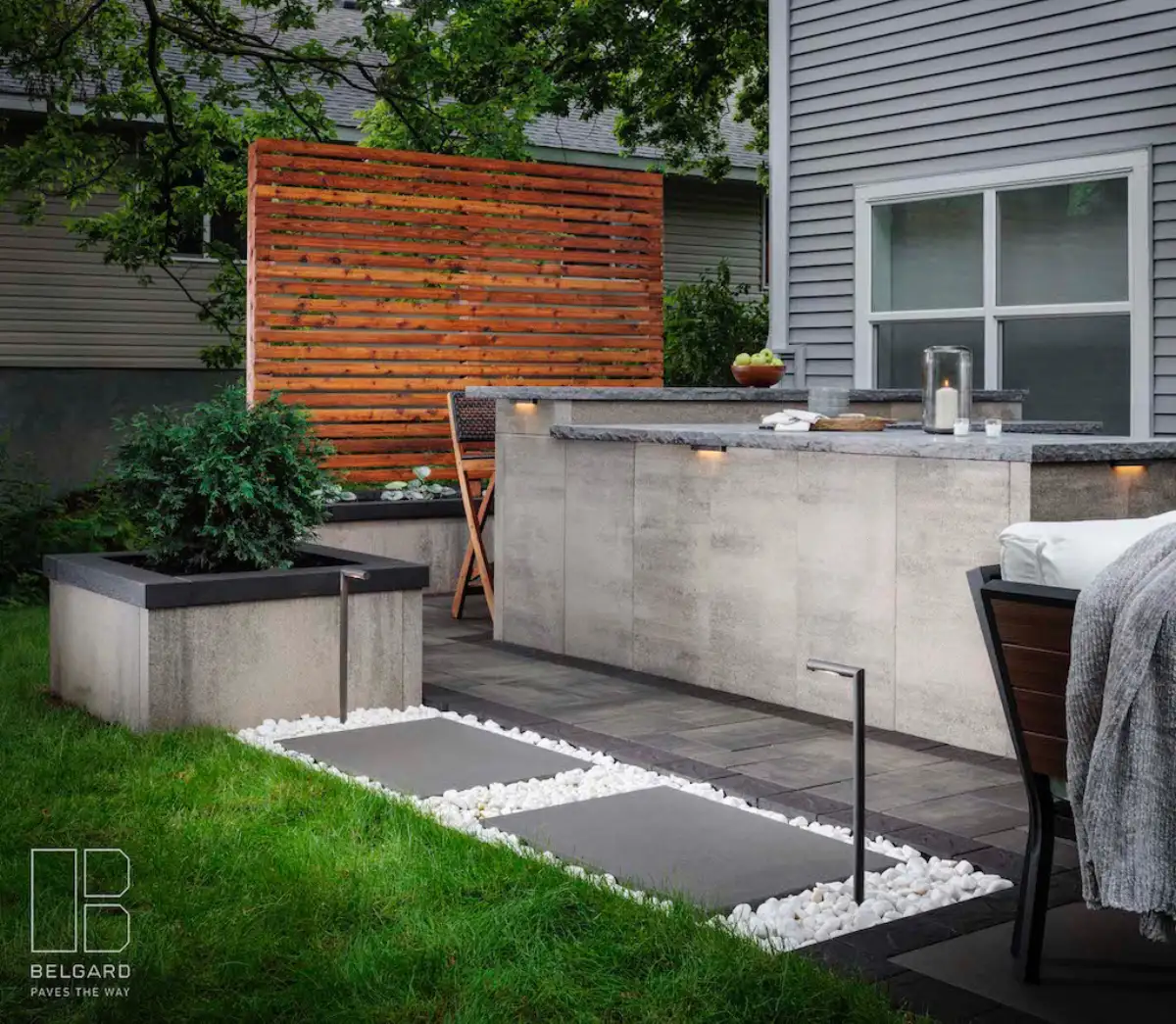
Review the Layout Before Construction
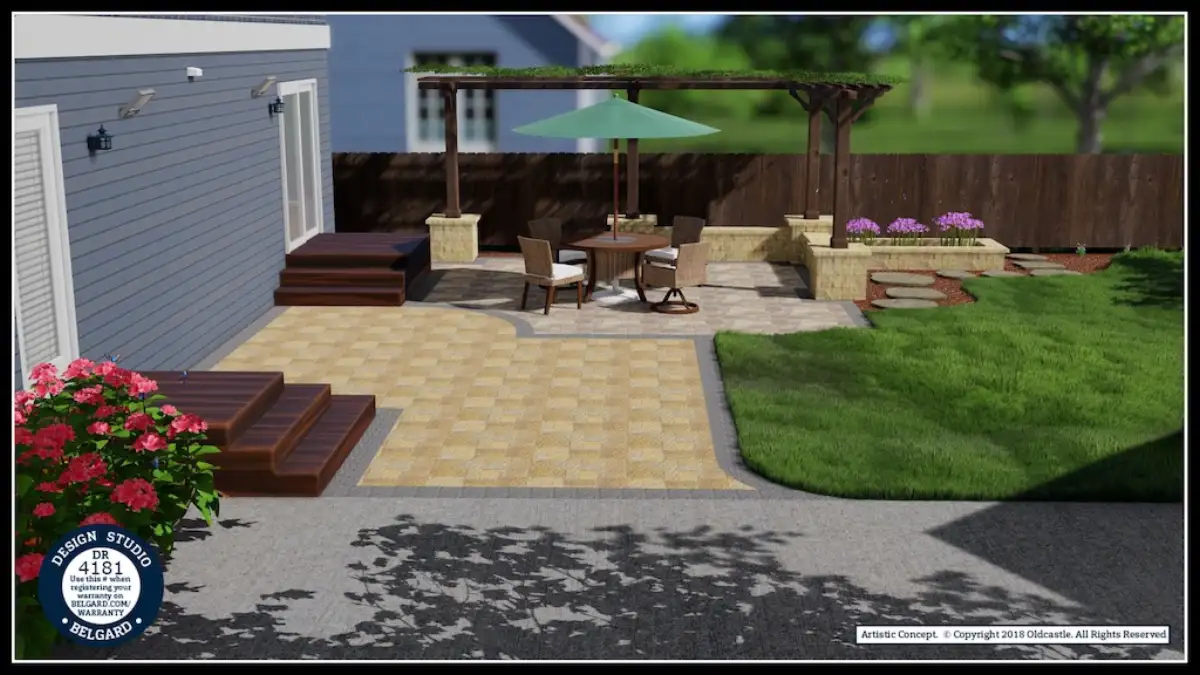
A drawing or visualization can help compare the proposed layout with the way you want to use the yard. Review furniture, routes, elevations, planting, lighting, and structures together. Confirm which drawings or visualizations are included in the design scope before commissioning them.
Discuss the design deliverables, options to compare, revision arrangements, and how decisions will be approved. A visual concept helps communicate intent; the agreed drawings, specifications, and proposal establish the actual construction and price.
For a backyard renovation, photographs and available plans can clarify what stays and what changes. Compare the proposed footprint, connections, materials, and phases with existing conditions. Confirm the format and extent of any visualization work; an illustration does not by itself establish final dimensions, engineering, or cost.
Outdoor Living Credentials
Belgard featured Charlie Kraemer in its March 2022 discussion of outdoor design and identified him as an Advisory Council member. Read the Belgard interview.
Outdoor Living FAQ
Design decisions, product availability, approvals, access and weather can affect the schedule. Ask Landscape Charlie for the proposed sequence and timing for the actual scope, including how changes will be communicated.
Phasing can be an option when each stage has a useful purpose and fits a coordinated overall plan. Establish the long-term layout, access, dependencies, and budget before selecting the first stage. For example, a patio might precede a later shade feature, but supporting construction and future utilities need to be considered for that specific design. The proposal should identify the design deliverables, work included now, and decisions reserved for later.
Design-build connects design and construction within one project arrangement. It can make it easier to discuss the layout, materials, budget, and construction sequence together. The agreement still needs to define the project contact, responsibilities, deliverables, specialist work, and change process. The approach does not remove the need for site review or guarantee a particular price or completion time.
Let's Build Something Worth Coming Home To
Schedule a consultation to discuss your yard, priorities, existing features, and the work you are considering. Confirm the assessment, design, and construction responsibilities for your project.