
Water and Freeze-Thaw Movement
Roof runoff, snowmelt, soft spots, and soils that hold water all influence finished elevations. Patio pitch, wall drainage, step landings, and planting beds should be considered as one water-management plan.
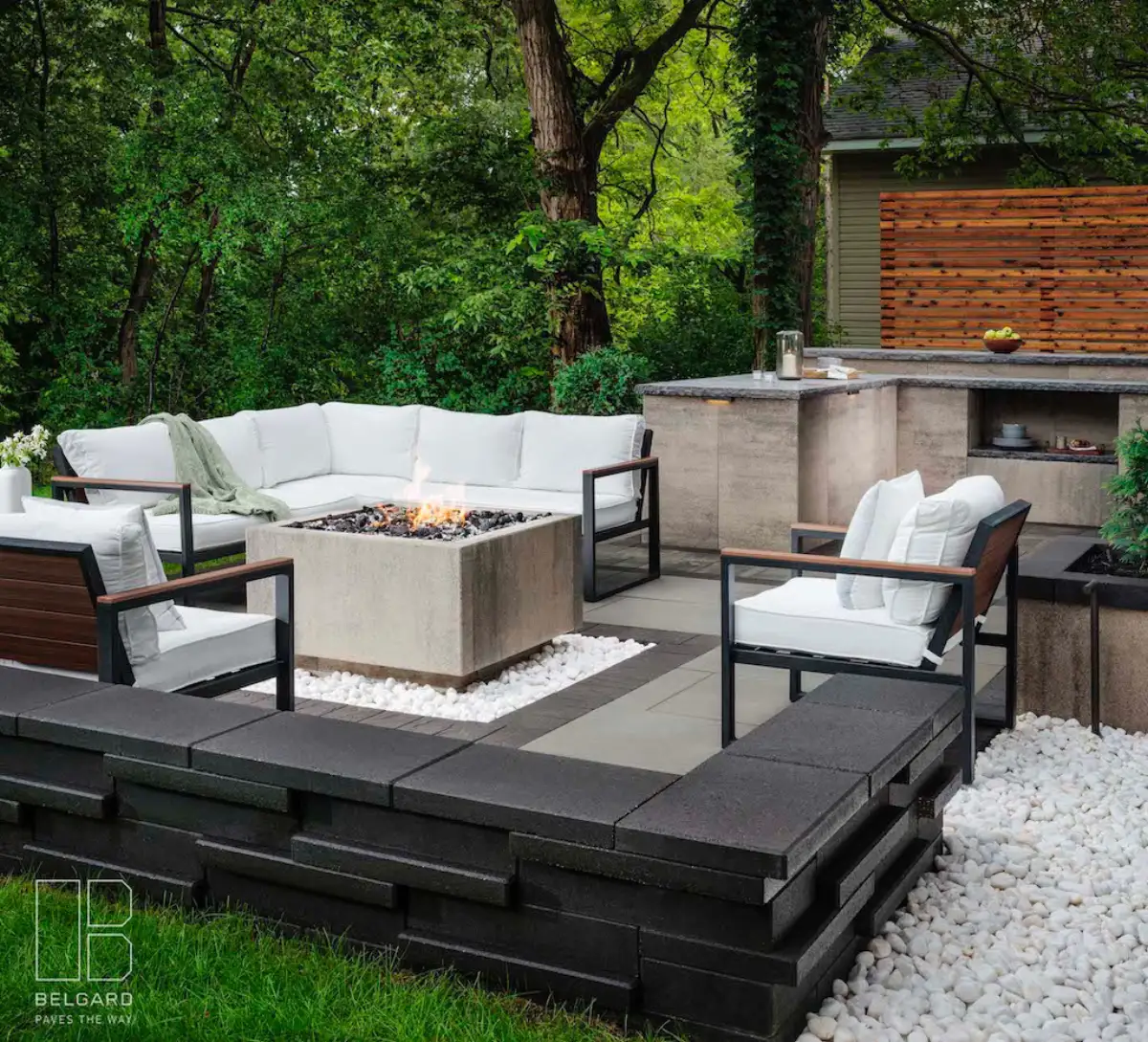
Design and construction planning for Minnetonka patios, retaining walls, steps, fire features, lighting, pergolas, deck transitions, drainage, planting screens, and phased backyard renovations.
Outdoor living design-build is especially useful when a Minnetonka yard needs more than one improvement to work as a complete space.
A homeowner may begin with a larger patio, a safer route down from the deck, a wall that makes a slope usable, a fire area for cooler evenings, or lighting for the walk back to the house. Each decision affects another: patio elevation changes step heights, wall placement changes drainage and planting space, and a future pergola or hot tub area can change the base and utility planning needed today.
Landscape Charlie’s outdoor living design-build service brings those choices into one plan before excavation begins. The plan can coordinate patios, retaining walls, steps, low-voltage lighting, fire features, planting screens, pergolas, deck transitions, and later phases without requiring every element to be built in the same season.
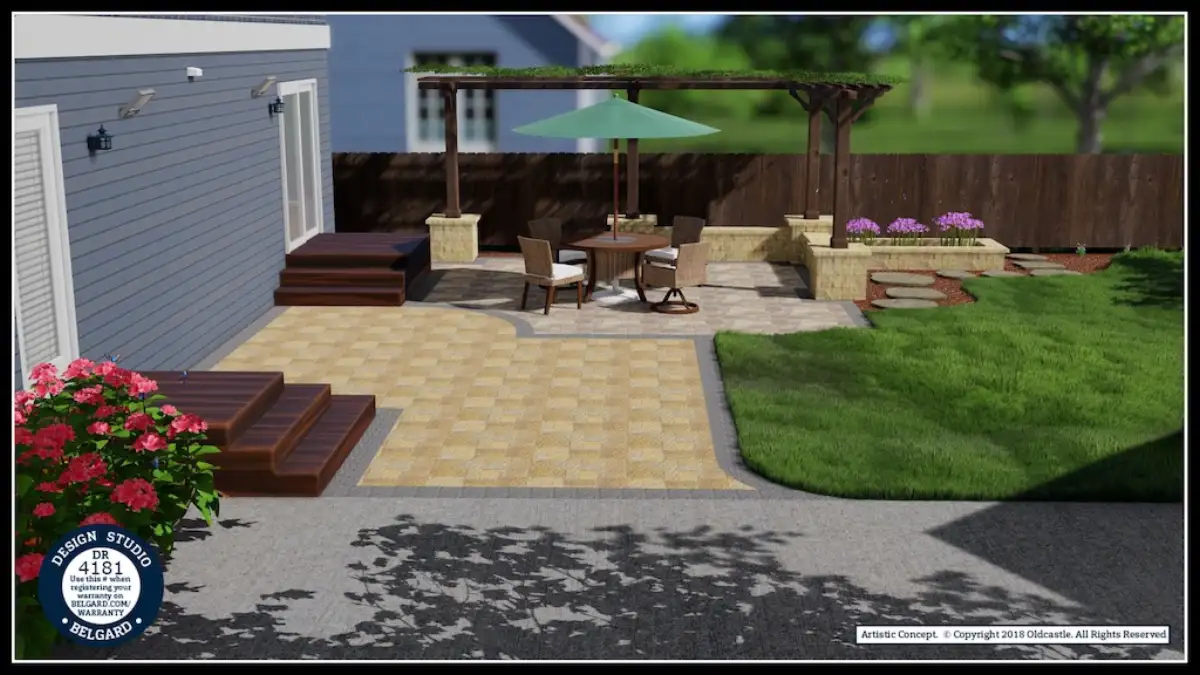
Established Minnetonka properties can bring mature trees, existing decks and stoops, narrow side-yard access, older drainage patterns, and meaningful grade changes into the same project.
Roof runoff, snowmelt, soft spots, and soils that hold water all influence finished elevations. Patio pitch, wall drainage, step landings, and planting beds should be considered as one water-management plan.
Door thresholds, deck-stair locations, grill clearance, furniture zones, and the route between the driveway and backyard determine whether an outdoor room feels comfortable or crowded.
Equipment access, utilities, irrigation, mature roots, and the areas that will need restoration can change both layout and sequence. Identifying them early keeps the design grounded in the actual property.
The useful questions change as the project moves from the yard you have to the outdoor space you want to build.
Map dining, cooking, lounging, fire, play, privacy, and circulation around how the household uses the yard.
Coordinate grade, doors, deck connections, steps, walls, drainage paths, and construction access.
Clarify what is included now, what can be added later, and which sleeves, conduit, footings, or base work belong in the first phase.
Order excavation, structural work, utilities, hardscape, lighting, planting, and restoration so completed work is not repeatedly disturbed.
Project cost changes with square footage and finish materials, but the visible feature list is only part of the scope. Demolition, excavation, access, grade correction, drainage, wall height, utility runs, footings, base preparation, planting, and restoration can all shape a Minnetonka proposal.
Common patio-planning mistakes include choosing the footprint before arranging furniture and walking space, fixing the shape before drainage is understood, overlooking door and deck elevations, or installing finished surfaces before future lighting and utility routes are planned.
The most practical value usually starts with comfortable dimensions, clear movement from the house, stable construction, safer steps, useful evening lighting, and a layout that can accept later phases. Resale outcomes vary by property and market, so no single return applies to every outdoor living project.
Review the project investment guide for the site and scope factors that influence a proposal, then request a site-specific conversation.
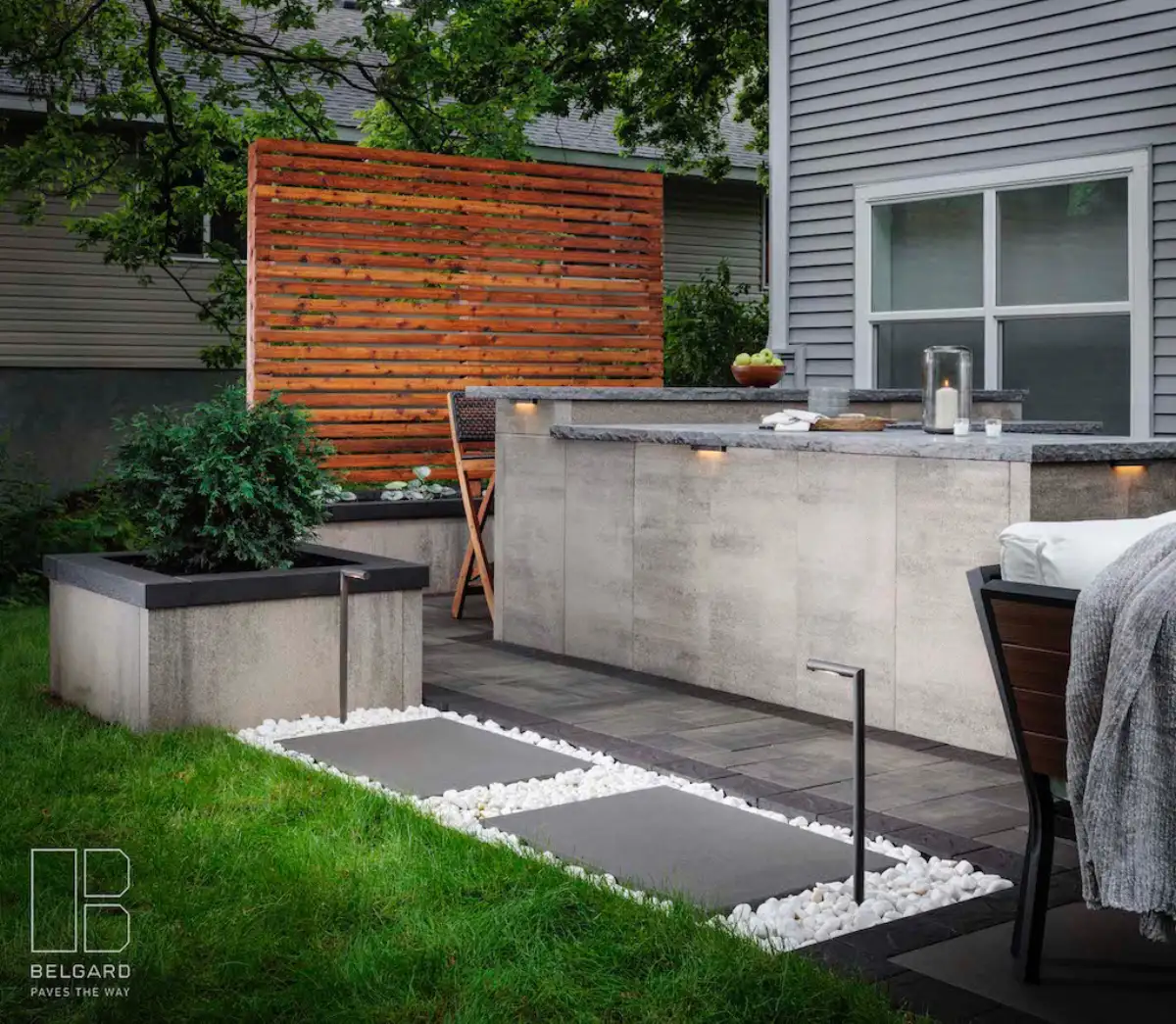
A phased plan can control timing and spread investment across seasons while protecting the long-term layout.
The first phase may focus on the structural work that is difficult to revisit: drainage corrections, retaining walls, main steps, patio base preparation, and primary circulation. If lighting, a fire feature, pergola, planting screen, deck connection, or hot tub area may follow, the plan can reserve space and identify sleeves, conduit, footings, and utility paths while the site is open.
The scope should also identify any project-specific reviews that could affect timing. Structures, utilities, grading, stormwater changes, setbacks, and other site conditions can change what needs confirmation. Clarifying those responsibilities before scheduling makes the proposal easier to compare and the sequence easier to understand.
Explore the complete service, the local area guide, or the feature that is driving your project.
Landscape Charlie also serves nearby Wayzata, Deephaven, and Excelsior. Browse the complete service area, or compare ideas for fire pit spaces, low-voltage lighting, and pergola installation.
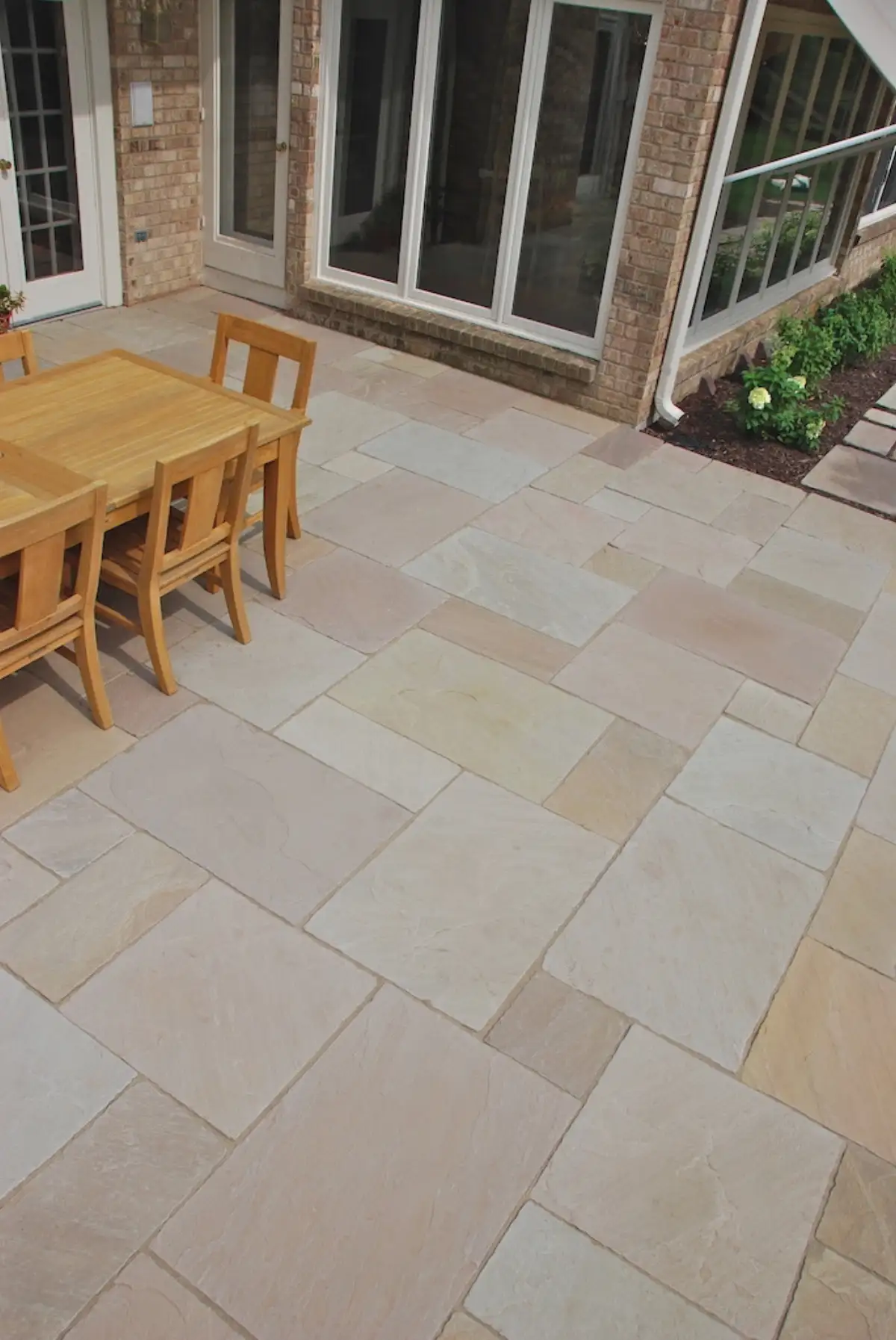
Preparing for the first conversation? Review these outdoor living planning questions, then note how you want to use the space, the features you may add later, and any drainage or access concerns you already know about.
Outdoor-living work may connect a patio, walls, steps, fire area, lighting, pergola, planting, and deck transitions. Discuss the site conditions, access, utilities, materials, and phasing. Confirm the design deliverables, specialist work, construction responsibilities, and included features in the proposal.
Minnetonka properties can combine grade changes, soils that hold water, mature landscaping, roof runoff, snowmelt, and existing patios or decks. Planning finished elevations and drainage routes together helps reduce recurring wet areas, erosion, ice, and movement around patios, walls, steps, and planting beds.
Yes. The best phased projects are designed as one complete plan before phase one begins. Phase one can include base patio work, drainage, retaining walls, utility sleeves, and primary circulation, while later phases add lighting, a fire feature, pergola, planting screens, or deck connections.
Cost depends on the size and materials as well as demolition, access, excavation, grade changes, drainage, retaining walls, utility runs, footings, lighting, planting, and restoration. A site visit and a defined scope are needed for a useful estimate; Landscape Charlie's project investment guide provides general planning ranges before that conversation.
Common mistakes include undersizing the patio after furniture and walking clearances are considered, deciding drainage after the layout, overlooking deck and door elevations, and installing finished surfaces before future lighting or utility sleeves are planned. Coordinating those choices early helps prevent costly rework.
Start by sharing the property location, project goals, timing, must-have features, known drainage or access concerns, and any budget priorities. The first conversation and site walk connect the wish list to the construction realities of the property.
Resale value varies by property, project scope, materials, and market conditions. The most dependable reasons to invest are better everyday use, safer circulation, corrected drainage, durable construction, and a layout that fits the home. Those priorities can support market appeal without relying on a promised return.
Landscape Charlie can review your yard, priorities, access, drainage, timing, and future phases, then turn the conversation into a buildable design plan.