
Frequently Asked Questions
Answers to the most common questions about landscape design, construction, costs, timelines, and working with our team.
Pricing and Payment Questions
Costs depend on the actual site, finished area, access, removal, supporting construction, materials, and included features. Describe the space and priorities during the consultation. Compare proposals for the same work and identify allowances, options, and exclusions before making a decision.
Include the address, photos, approximate area, existing surfaces or features to remove, and the changes you want. Separate immediate priorities from possible later phases. Note access limits, water problems, and the time you hope to use the finished space; these details help establish a useful first conversation.
The proposal should identify the deposit, progress-payment milestones, final payment, accepted payment methods, and how approved changes affect price. Match each payment to a defined stage or obligation. Review cancellation terms and any material-order commitments before signing.
Bring your priorities, photos, available property information, and questions about the space. Note drainage concerns, access limits, features to preserve, and how you want to use the yard. Discuss the appointment arrangements when booking and keep later design and construction decisions separate from the initial conversation.
How We Work
What does the design-build process look like?
Start with your priorities and a review of the property. The team then develops the layout, discusses materials and features, refines the agreed design, and prepares the construction scope. The proposal should identify the work, responsibilities, payment milestones, and schedule dependencies. See our Process page for the planning stages and the decisions to prepare.
Which design decisions should be settled before construction?
The agreed layout should establish the work area, main dimensions, materials, connections to existing features, and the intended elevations and drainage approach. The proposal should identify the drawings or other design deliverables included, the decisions still open, and how revisions are approved before construction.
Which project responsibilities should be clear before work starts?
Identify the project contact, the work included in each phase, and the parties responsible for any design, utility, structural, or other specialist tasks. The scope should also cover site access, protection, cleanup, approvals, and communication when conditions change. Those responsibilities matter more than assuming one crew performs every task.
How does Landscape Charlie connect the landscape and hardscape?
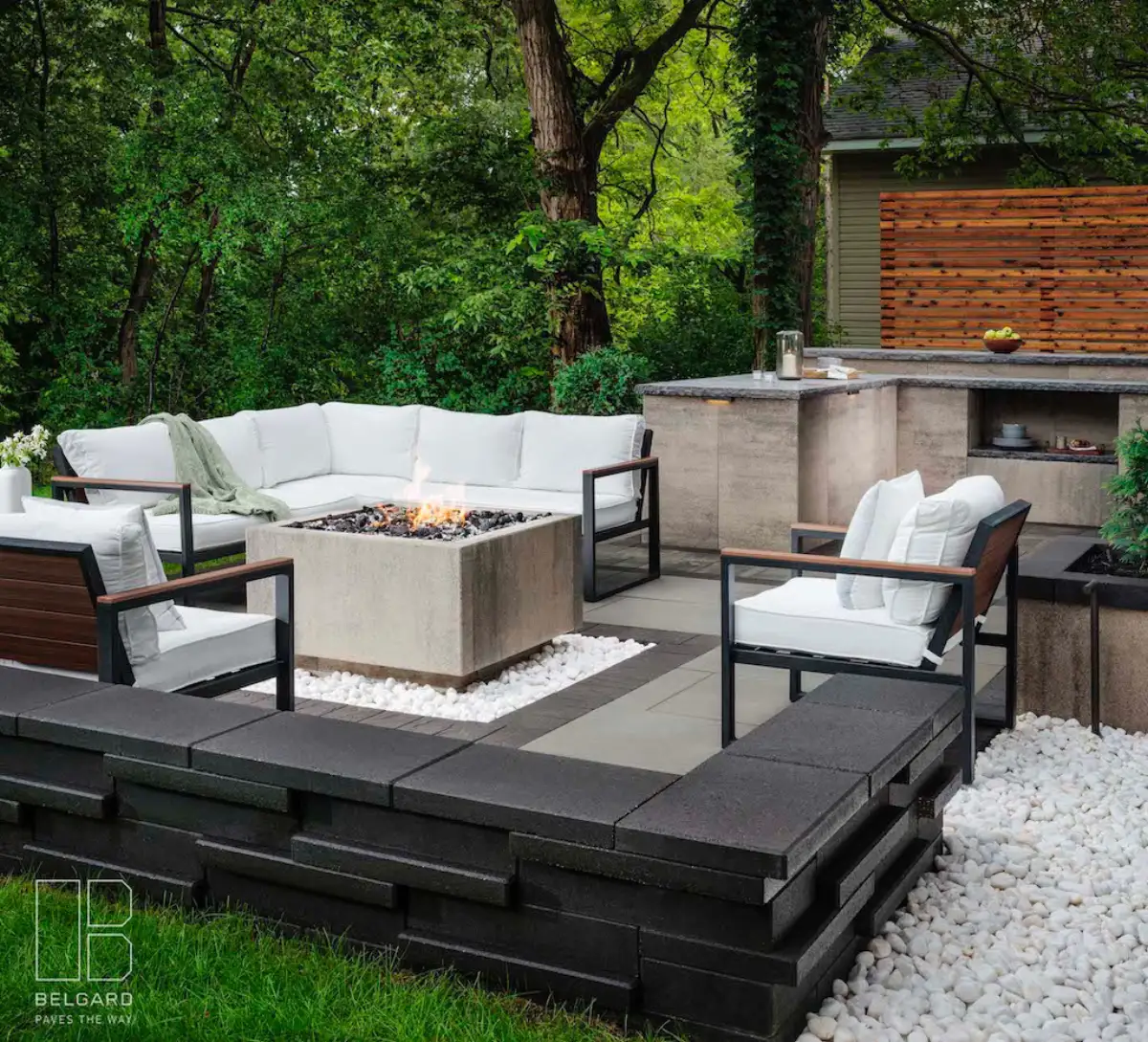
Landscape Charlie approaches the layout, planted areas, materials, and construction sequence together. In a March 2022 Belgard interview, owner Charlie Kraemer discussed the connection between planted and constructed outdoor spaces. That design approach helps frame conversations about how the finished yard will be used, viewed, and cared for.
Products and Material Choices
How should I compare paver products?
Compare the actual product’s intended use, dimensions, surface texture, color, edge profile, care instructions, and written warranty. Consider how it meets steps, doors, walls, and existing paving. A sample and a named product in the proposal are more useful than choosing from a brand name alone.
What determines the supporting layers beneath pavers?
The selected paver system, ground conditions, drainage, loads, and adjoining construction determine the supporting assembly. Excavation, aggregate, bedding, restraint, and any structural design need to suit that combination. A single base-depth recipe cannot establish the correct construction for every patio, walk, or driveway.
How should I compare natural stone and manufactured pavers?
Manufactured pavers and natural stone offer different colors, textures, dimensions, and finish options. Compare actual samples, intended use, supporting construction, drainage, care, and repair options. Confirm available products and the selected material in your proposal.
What should I check in product and workmanship warranties?
Product coverage and workmanship coverage can apply to different parts of the project. Read the written terms for the covered work or material, duration, exclusions, maintenance requirements, claim procedure, and responsible party. Keep those documents with the proposal and product information.
Scheduling and Construction
How long does a typical landscape project take?
The schedule depends on the scope, access, removal, materials, site preparation, approvals, and weather. A patio replacement and a yard with several connected features need different sequences. Ask for an estimated schedule for your actual proposal, including what must happen before work starts and which conditions could change the dates.
When is the best time to start a landscape project in Minnesota?
Begin planning before the season when you hope to use the finished space. Design decisions, approvals, product availability, and site conditions can affect the start date. Ask which activities can proceed during the proposed season and how cold, wet ground, or product installation requirements could affect the sequence.
How far in advance should I book my project?
Share your preferred completion window when you first contact the team. Confirm current availability and allow time for property review, design decisions, materials, and any approvals. If you have an event in mind, identify it early and ask what would need to be settled before a realistic construction window can be proposed.
Which permit responsibilities belong in the project scope?
The scope should identify applicable approvals, who prepares applications, who obtains permits, inspection stages, and associated fees. Requirements depend on the actual work and location, including any shoreline, watershed, property, or community restrictions. Resolve these responsibilities before scheduling construction.
What happens if it rains during my project?
Weather can change site access, ground conditions, preparation, and the suitability of particular installation work. Ask how the team will protect the work area, communicate a delay, and revise the sequence when conditions change. Review the agreement for any schedule or cost implications rather than assuming that all weather delays have the same effect.
Care and Upkeep
How do I maintain my paver patio over time?
Identify the installed pavers, joint material, and finish before choosing a cleaning or maintenance method. Follow the applicable product manufacturer’s care guidance; cleaning products, equipment, sealers, and joint maintenance differ by installation. Have movement or drainage concerns assessed before treating them as cosmetic upkeep.
Can I use a snowblower on my paver patio or walkway?
Check the installed paver manufacturer’s care instructions and the snow-removal equipment guidance before choosing a method. Surface finish, joints, uneven areas, equipment contact, and deicing products can affect the decision. Ask for product-specific winter care recommendations and have movement or damaged surfaces assessed before clearing them with equipment.
Will my retaining wall last through Minnesota winters?
Winter performance depends on the wall system, design, ground conditions, water management, loads, construction, and care. A winter season alone does not establish a wall’s expected service life. Have leaning, displaced units, erosion, or changed drainage assessed by an appropriate professional, and follow the selected system’s care guidance.
What care information should I keep after the project?
Ask about the handover and care guidance for the materials and planting included in your project. Confirm whether any follow-up visits or ongoing work are included in the written scope, and who to contact about a concern. Keep product instructions and warranty information with your project records.
We Are Happy to Help
If you did not find the answer you were looking for, please reach out. We are happy to discuss your specific situation and provide guidance on your project.