
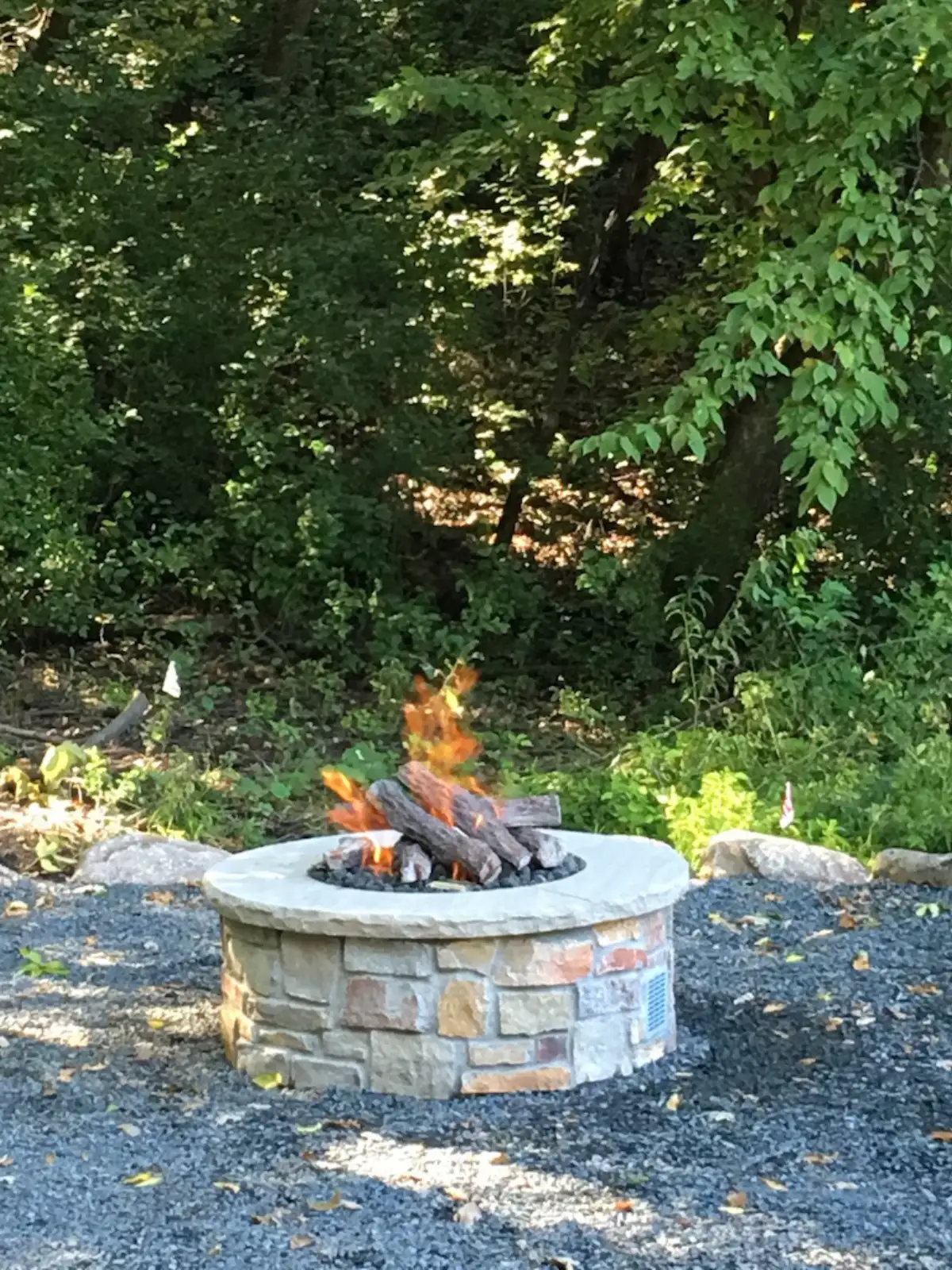
Fire Pit Seating Areas for Minnetonka and Lake Minnetonka Homes
Dedicated fire pit spaces with the right patio size, seating distance, wall edges, lighting, and circulation so the fire area feels comfortable instead of squeezed into a corner.
A Fire Pit Works Best When the Whole Seating Area Is Designed
A fire feature can give an evening gathering a clear focal point. Start with the kind of experience you want, then compare the selected equipment, fuel arrangement, surround and seating. Confirm current local restrictions and the product’s installation and operating requirements with the appropriate professionals; a fuel category does not establish an exemption.
In the Lake Minnetonka area, evening air can cool quickly even after a warm day. A well-planned fire pit space gives the patio a comfortable shoulder-season destination, with seating, circulation, wind exposure, and safe clearances resolved before the hardscape is built.
We design fire features as integral elements of the overall outdoor living space, not afterthoughts. The placement, scale, and materials of your fire pit or fireplace are coordinated with your patio layout, seating walls, and lighting plan so everything works together as a unified design. Whether you envision a low-profile gas fire table for casual weeknight dinners or a full masonry fireplace as the centerpiece of an entertainment terrace, the design should connect the feature with the way you gather outdoors.
Plan the selected fire feature with its installation and operating requirements, applicable local rules, utilities, and access in view. Clarify who will be responsible for design, connections, approvals, and any inspections. Explore the fire pit planning guide for questions about fuel, materials, seating, and the surrounding space.
Comfort Comes From Clearances, Not Just Flame Size
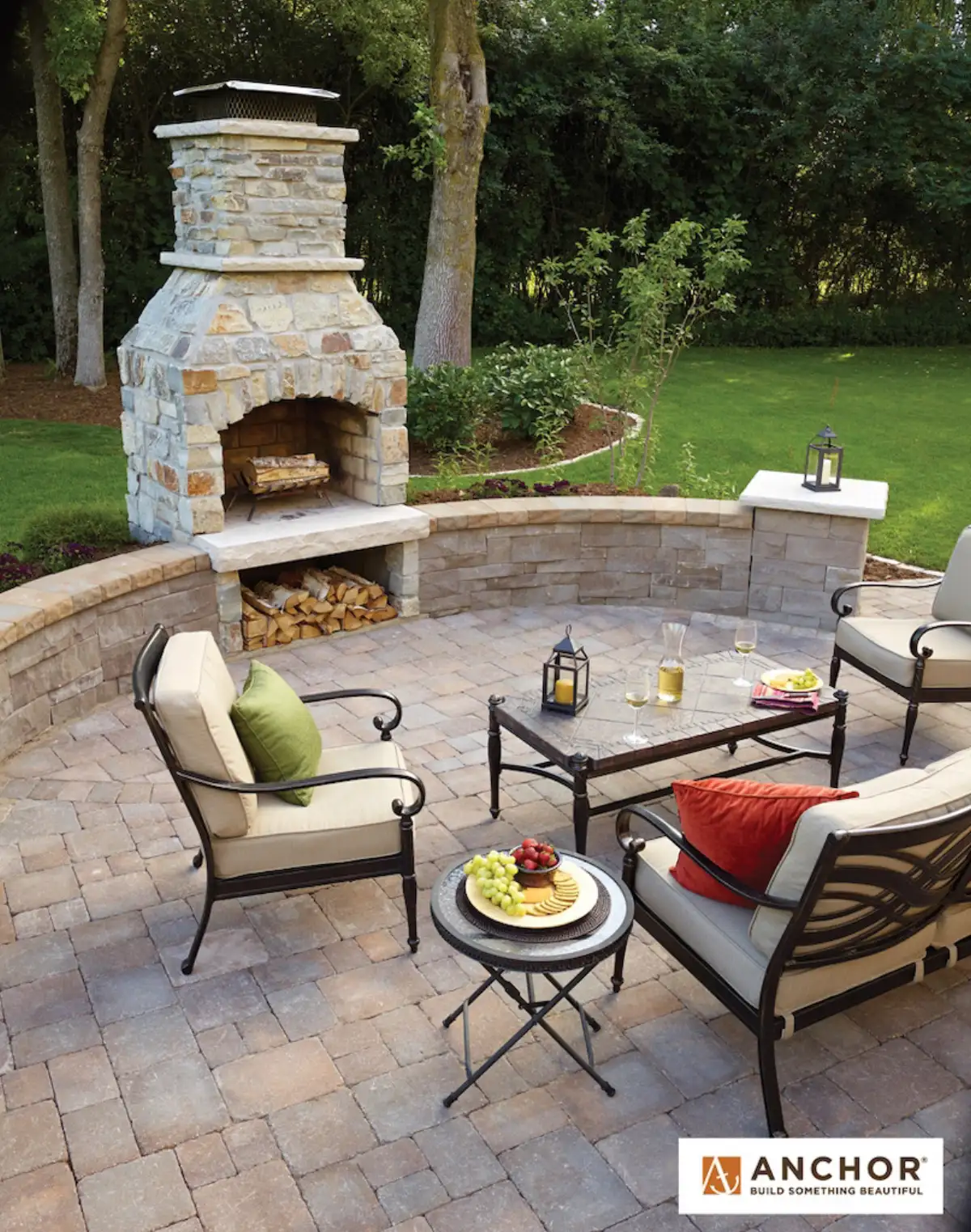
A good fire pit space needs enough room for chairs, foot traffic, side tables, and people stepping away from the heat. We size the patio around actual seating layouts, not just the fire pit block kit. Round fire pits create an intimate conversation circle, while linear gas features can fit better beside outdoor sofas or along a seat wall. The shape should match how you plan to use the space.
Placement matters just as much. We look at prevailing wind, views from the house, distance from doors, nearby plantings, and whether smoke or heat will affect a deck, pergola, or neighboring property. For lake-area homes, we also consider how the fire area connects to dock routes, patios, and evening lighting.
Patio, Wall, Step, and Lighting Details Work Together
Many fire pit spaces include a paver patio, seat wall, step lighting, and a short path from the house or deck. Seat walls can define the edge of the room and add overflow seating, but they need proper height, cap width, and drainage. Steps should land where guests naturally enter the space, and lighting should reveal edges without shining into the seating circle.
If you are comparing options, see our broader fire features page for fireplaces and fire tables, or review related services like patio installation, retaining walls, and landscape lighting. A fire pit space is usually most successful when those pieces are designed together.
Details That Make the Seating Area Work
A fire pit space is a small outdoor room, so the surrounding patio matters as much as the burner or block.
Chair Circles and Walking Room
We leave enough space for people to move behind chairs without stepping into planting beds or off the patio edge. A tight circle may look efficient on paper, but it becomes uncomfortable once chairs are pulled back, guests arrive, and side tables are added. The patio size should reflect the number of people you actually expect to host.
Gas, Propane, or Wood
Gas fire pits are convenient for weeknight use and are often a strong choice near the lake because there is no smoke or ash. Wood-burning pits create a traditional campfire feel but need more attention to wind, storage, cleanup, and local burning rules. We review both options before the patio layout is finalized.
Edges and Seat Walls
A seat wall can make a fire area feel grounded and provide overflow seating, but it should not trap people or make the space feel boxed in. We use walls to define the room, manage grade, or frame a view, and we keep openings where people naturally enter from the house, deck, or lawn.
Lighting Without Glare
Firelight is beautiful but not enough for safe movement. Step lights, wall lights, and subtle path lights help guests navigate without washing out the flame. Conduit should be planned before pavers and walls are installed so fixtures can be added cleanly and serviced later.
Fire Pit Styles and Seating Layouts
The right fire pit depends on the patio shape, seating plan, fuel source, and how much maintenance you want.
Fire Pits
A round, square or rectangular fire pit can anchor a conversation area. Compare the actual equipment and surround with the patio layout, furniture and required clearances. Gas and wood-burning options have different fuel, operating and care considerations.
Seat-Wall Fire Pit Layouts
A seat wall can give a fire pit area a defined edge while leaving room for movable chairs. Compare the seating arrangement, clear routes, wall proportions, and the selected fire system. The final layout and required clearances should be resolved together.
Fire Tables
A fire table combines a designed surround with a specific gas appliance. Compare the model’s intended use, controls, fuel arrangement and clearances with the furniture layout. Do not assume every surround is intended as a dining or serving surface.
Gas vs. Wood-Burning: Making the Right Choice
Gas Fire Features
Gas features use the controls and fuel supply specified for the selected model. Compare propane and natural-gas arrangements with the appropriate installer, including access and any connection work. The equipment still needs manufacturer-directed operation and care, along with compliance with current local requirements.
Wood-Burning Fire Features
Wood-burning features offer the sound and atmosphere of a wood fire, along with fuel storage, smoke, embers, and ash to manage. Compare the selected product’s construction and operating requirements, required clearances, and current local restrictions before choosing the location or system.
If you are comparing more than one gathering area, consider how often each would be used and whether it belongs in the current project. Confirm the selected feature, fuel supply, clearances, and supporting construction for each proposed location.
Landscape Details That Complete a Fire Pit Area
Patios Sized for Fire Seating
Every fire feature needs a proper base. Our paver patios are designed with fire feature placement built into the layout from the start.
Lighting Around Fire Pit Areas
Low-voltage lighting can complement the fire's glow and improve visibility along the routes to and from the gathering area.
Pergolas
A pergola adjacent to your fire feature creates a defined room with overhead structure that feels enclosed without blocking heat or views.
Patio, Wall, and Lighting Coordination
Belgard featured Charlie Kraemer in its March 2022 discussion of outdoor design and identified him as an Advisory Council member. Read the Belgard interview.
Fire Pit Seating Area FAQ
Requirements depend on the exact fire feature, fuel supply, location, municipality, and any community or watershed restrictions. Confirm the selected appliance or construction system, clearances, gas or electrical responsibilities, and current approvals before building. The proposal should identify the responsible professionals and any inspections; a general setback or permit exemption cannot be assumed for every property.
Check the current restriction and the authority responsible for your location before using any outdoor fire feature. Rules can differ by fuel, appliance, location, and conditions; a gas connection does not establish an automatic exemption. Follow the applicable order and the equipment instructions, and stop use when either prohibits it.
A fire-feature estimate should identify the appliance, surround, patio preparation and any utility work. Both natural gas and propane have ongoing fuel costs. Compare the full installation and operating requirements for the options you are considering.
Plan a Fire Pit Seating Area
Schedule a consultation to discuss fire feature options for your patio. We will help you choose the right type, fuel, and placement for your property.