
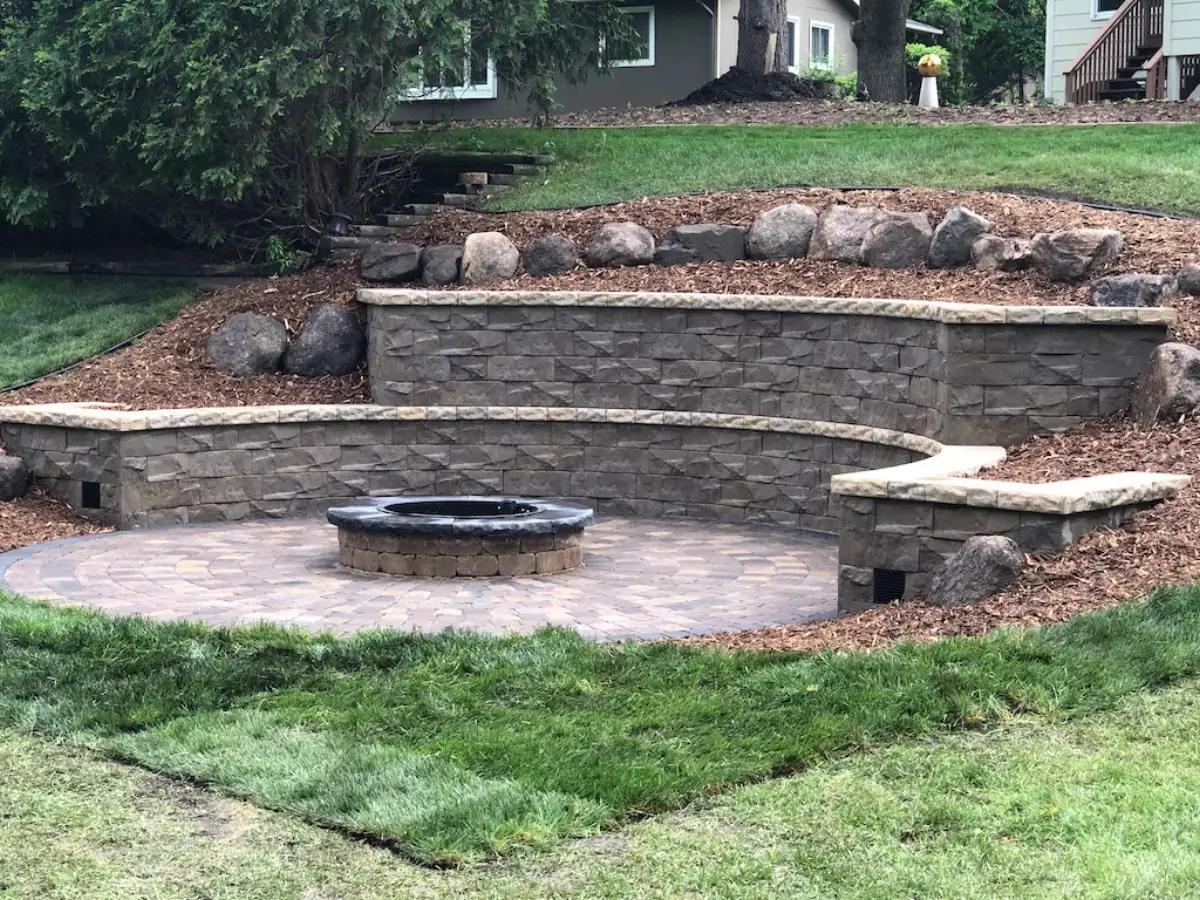
Retaining Wall Contractor for Shorewood and Minnetonka Sloped Lots
Site-specific wall assessment, removal, reconstruction, drainage correction, and permitted installation for homes where the slope, soil, or existing wall needs a contractor who understands Minnesota conditions.
Start With the Wall Problem, Not a Block Catalog
A retaining wall estimate depends on the whole project, including the proposed system, site conditions, nearby loads, drainage, access and any necessary design work. Ask for a written scope that describes more than the visible wall face.
A wall beside a driveway, patio or garden needs to be considered with the ground and features around it. Describe what you want the wall to support or change, any movement you have noticed and the access available for work. A site-specific assessment should establish the proposed approach.
Landscape Charlie brings 30+ years of experience and industry certifications to its landscape design and construction work. For a wall project, discuss the selected system, required design professionals, approvals and how the wall will connect with nearby patios, steps and planting.
When a Retaining Wall Needs Professional Attention
Photograph changes you have noticed, such as a lean, displaced blocks, erosion or water collecting near the wall. Share when they appeared and any available drawings or installation records. An on-site assessment is needed to understand the condition and compare repair or replacement options.
For segmental retaining walls, CMHA’s design guidance identifies soil, loads, geometry and drainage as design considerations. A surface photograph cannot establish those hidden details. Have the responsible professional evaluate the actual wall and site before choosing the work.
Height, Location, and What the Wall Supports Matter
Engineering and approval requirements depend on the location, wall system and site conditions, including nearby loads and structures. Have the project team establish which reviews are needed before construction.
Prepare to discuss what lies above the wall, where water collects, how the work area can be reached and the finished space you want. These questions help define what information the designer and contractor need for the proposed scope.
Plan a Wall Build or Rebuild
Look beyond the wall face when comparing proposals. Ask how each scope addresses the actual site, selected wall system, supporting work and restoration.
1. Site and Drainage Review
Include photographs of the wall, adjoining slopes, nearby structures and water you have observed after rain. Identify known utilities and the route into the yard. Discuss which conditions need further investigation.
2. Wall System Selection
Compare the proposed wall system with the design requirements and appearance you want. Ask about the selected products, drawings, construction details, maintenance and connections to the surrounding landscape.
3. Construction Sequence
The construction sequence depends on the approved design and selected wall system. Identify removal, excavation, supporting construction, drainage, reinforcement where required, finishes, and restoration in the scope. Consider adjoining patios, planting, steps, and utilities before committing to that sequence.
Questions We Resolve Before Pricing the Wall
A useful estimate explains the construction assumptions, not just the square footage.
Can the Wall Be Repaired?
A photograph or a description alone cannot establish whether a wall can be repaired. Ask for an assessment of the existing condition and the cause of the problem, then compare the proposed repair and replacement scopes. Identify what each option would address and what remains uncertain.
Where Will Excavated Soil Go?
Ask which materials would be removed, reused or brought in. Show the access route and the areas available for temporary staging. Include hauling, protection of retained features and the intended restoration in the scope discussion.
Should Steps or Lighting Be Included?
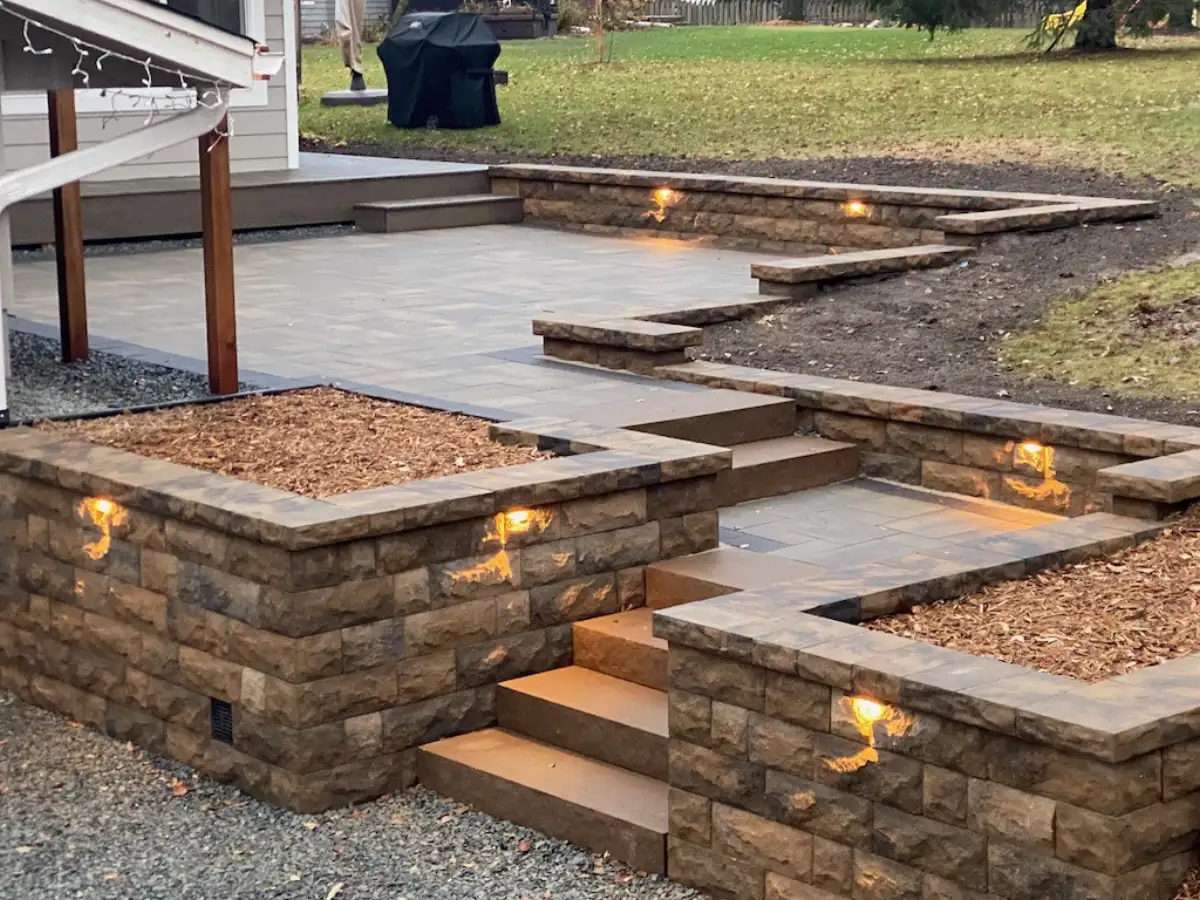
Include proposed steps and lighting in the layout discussion. Ask how their locations, utilities and construction would connect with the selected wall system. Compare including them now with a later phase, including what work each option would require.
Will the Wall Support a Future Patio?
A possible future patio, fire feature, or deck landing belongs in the planning discussion for a wall. Its location, loads, elevations, drainage, and construction access may affect the present design. Have the responsible designer or engineer evaluate those relationships and identify what the current scope includes.
Focused Retaining Wall Work We Handle
New Wall Construction
New boulder, block, and natural stone walls for grade control, terraces, driveway edges, side yards, and outdoor living spaces.
Wall Rebuilds With Steps
Replacement walls with safer grade transitions, landings, stair lighting, and clear routes from the house to the yard.
Walls That Prepare Patios
Structural grade work that creates the level, drained, compacted area needed for a patio, fire pit, or seating terrace.
Retaining Wall Conditions Around Lake Minnetonka
The same wall design does not fit every western suburb lot.
Shorewood, Deephaven, Tonka Bay, and Excelsior
For a project in these communities, show the actual access route, trees, existing wall and relationship to the water where relevant. Confirm the requirements for the address and proposed work, including any shoreline or watershed review that applies.
Minnetonka, Eden Prairie, Chanhassen, and Plymouth
Where a wall meets a driveway, deck, basement entrance or proposed patio, include those features in the plan. The responsible designer should evaluate the relationship between the wall, surrounding ground and intended use before a system is selected.
Details to Establish Before Choosing a Wall Scope
A retaining wall estimate is only useful when the hidden conditions are named clearly.
Toe, Batter, and Base Exposure
Ask how the assessment will address the wall’s foundation and alignment. Retain any installation drawings and show the areas where you have noticed erosion or movement. Have the responsible professional determine which details need investigation.
Drain Tile Outlet Locations
Show any visible drainage outlets and locations where water collects or flows near the wall. Ask how the proposed work addresses those observations and which hidden details need to be verified.
Surcharge Above the Wall
Identify driveways, structures, proposed outdoor features and changes in level above or near the wall. Share future plans as well as current conditions so the responsible designer can evaluate the relevant loads.
Access, Protection, and Restoration
Discuss how equipment and materials could reach the work area, which features should remain and where staging could occur. Ask the proposal to describe protection and restoration for the actual route and work zone.
Design and Product Conversations
Belgard featured Charlie Kraemer in its March 2022 discussion of outdoor design and identified him as an Advisory Council member. Read the Belgard interview.
Retaining Wall Contractor FAQ
Arrange an on-site assessment of the wall and the surrounding ground. Share photographs, any changes you have noticed and available installation records. Ask the assessing professional about urgency, access precautions and the investigations needed before deciding on a repair.
Sometimes the existing alignment can remain, but access, ground conditions, nearby features, loads, and the selected wall system may call for a different layout. A qualified assessment should establish the cause of any failure and the space needed for the proposed construction. Product requirements and any engineering determine the supporting and drainage details.
Consider them at the start of planning, before committing to a wall layout or construction schedule. Height, loads, location, ground conditions, the selected system, and applicable requirements can affect the need for an engineer or approvals. The written scope should identify the responsible professionals, drawings, applications, inspections, and fees for the actual project.
Get a Retaining Wall Contractor on Site
Schedule a visit to review the slope, drainage, existing wall condition, and practical build options for your property.