
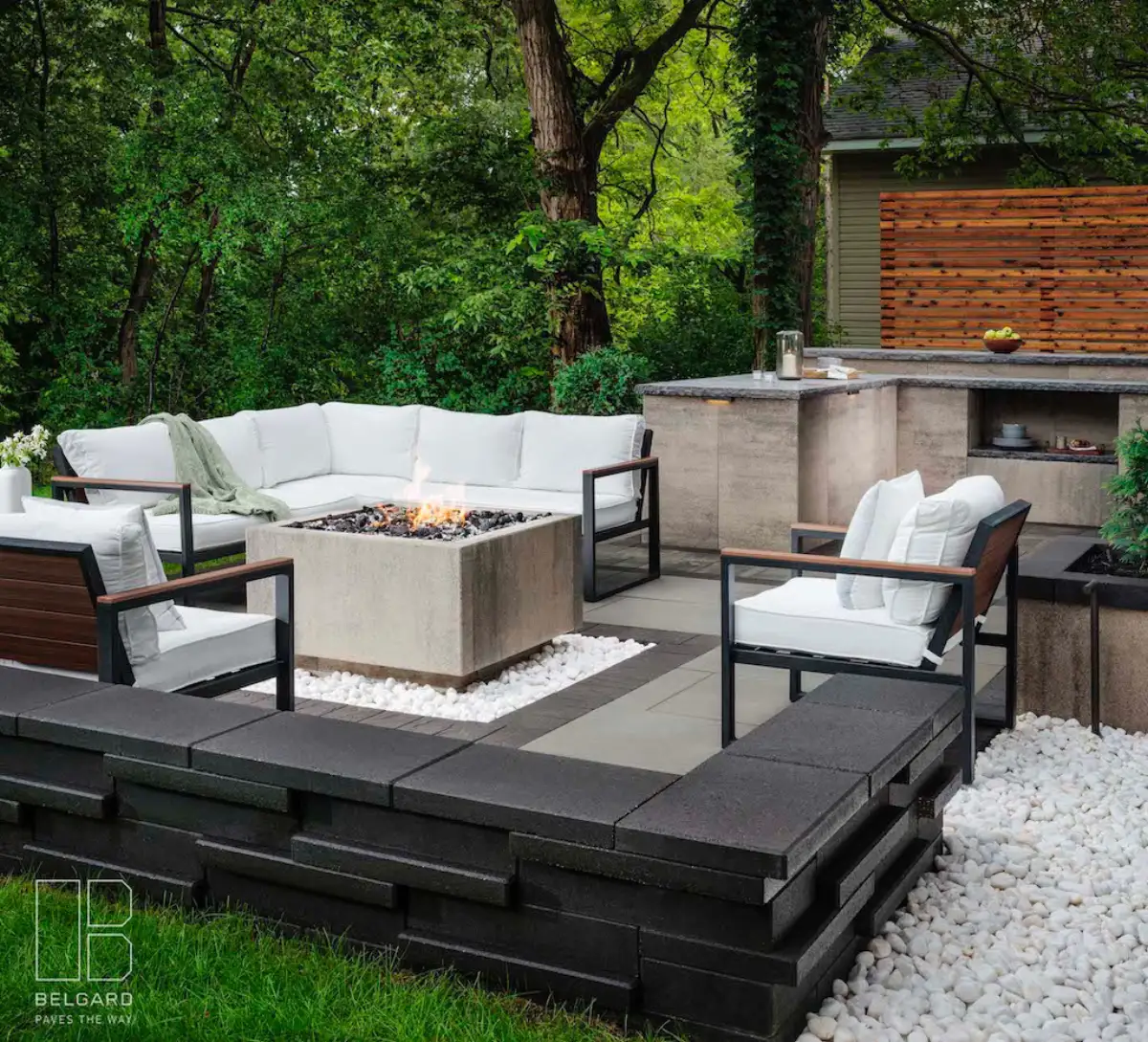
Outdoor Living Design-Build for Lake Minnetonka Homes
Design-build planning connects the layout, materials, existing site, and construction sequence. Discuss the design deliverables, work included, and responsible parties for your outdoor-living project.
Design-Build Keeps the Backyard Plan Buildable
Outdoor living design-build is the best fit when patios, walls, decks, lighting, fire features, planting, and drainage need to work as one project. Landscape Charlie brings design and construction together around the space you want to use. Discuss the layout, available budget, site conditions, access, and material choices as connected parts of your project.
Design-build connects the finished outdoor living space to the plan, cost, construction sequence, and installation details needed to build it well. Cooking, dining, fire, shade, and lounge areas can be coordinated from the start, while an existing yard that feels awkward or is beginning to fail can be approached as a backyard renovation. A useful scope makes the proposed work, open decisions, and responsibilities clear before construction begins.
Landscape Charlie has operated since 2009 and offers landscape and hardscape design-build work. Begin with the places you want to gather, daily routes, features to preserve, and existing conditions. The design scope should establish how those priorities become a buildable plan.
Minnetonka outdoor living projects often require patios, deck transitions, walls, drainage, lighting, fire features, and future phases to be evaluated together before construction begins.
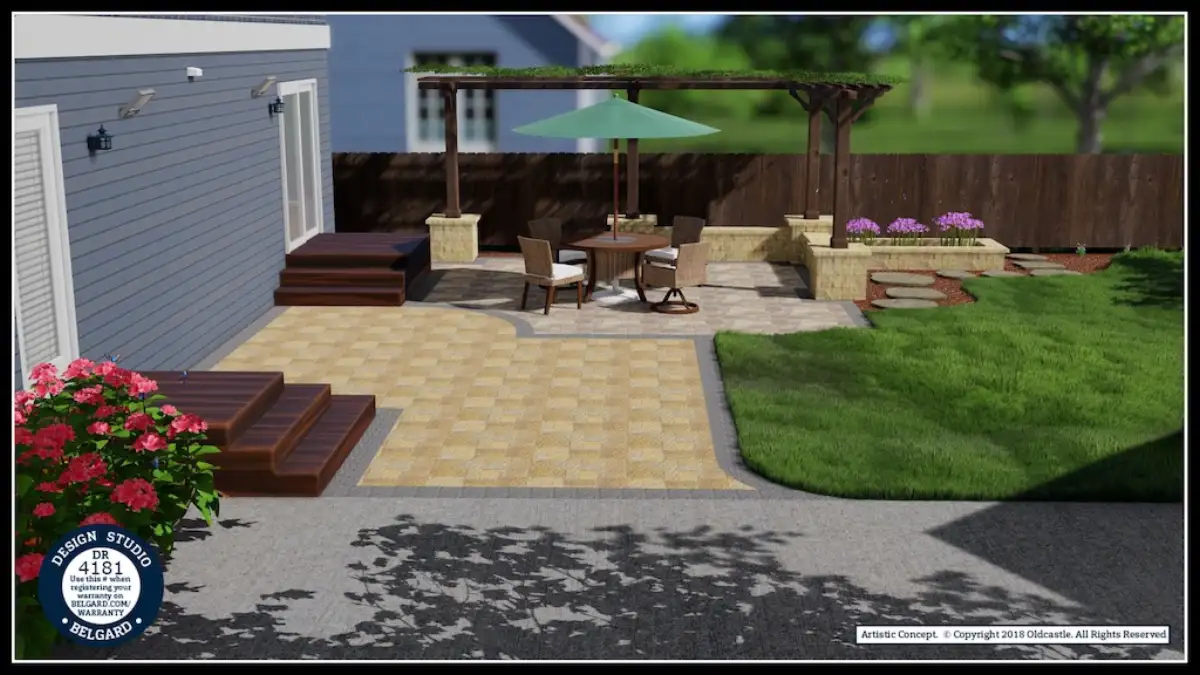
The First Work Is Measuring Constraints
A design needs to fit the existing property. Door and deck heights, drainage, exposure, privacy, underground systems, access, and applicable requirements can shape the options. Discuss which conditions need further investigation and how they affect the location and scope of the proposed outdoor space.
For many western suburb homes, the best plan is not the largest plan. It is the plan that places everyday functions where they are easiest to use: food prep near the kitchen route, dining outside traffic paths, fire seating far enough from doors and plantings, and lighting placed before the pavers and walls close up the site.
Pricing Is Developed Alongside the Layout
Compare the outdoor layout with the construction and budget it would require. Wall height, excavation, paved area, utility runs, footings, lighting, planting and restoration can affect the scope. Discuss the priorities you want to keep and the alternatives worth considering as the plan develops.
When a project is phased, discuss how the first stage connects to later work. Access, utilities, supporting construction, and restoration belong in that conversation so the proposal identifies what is included now and what remains for a future phase.
What Happens Before Construction Starts
Turn the way you want to use the yard into a clear project scope.
Site Walk and Priorities
Bring the routines that matter most: a family meal outside, a place to read, room to host, or an easier route through the yard. Use those priorities to compare layouts, views, privacy, and the features worth including.
Concept and Layout
Compare the proposed patio, walls, stairs, outdoor features, planting, and lighting at the scale of your property. Confirm which drawings or visualizations form part of the design service.
Scope, Sequence, and Proposal
The proposal should identify included work, selected materials, responsibilities, and any separately scheduled phases. Review the design documents and construction sequence before agreeing to the scope.
Design Decisions That Shape Your Outdoor Space
The right answer depends on site conditions, how the space will be used, and what should happen in future phases.
Where Should the Main Outdoor Room Sit?
Door location does not automatically decide patio location. Sometimes the main seating area belongs lower in the yard for privacy or a better view. Sometimes dining needs to stay close to the kitchen while fire seating works better at a separate level. The design-build plan tests those relationships before base work begins.
How Should Grade Be Managed?
If your yard changes level, compare how walls, steps, landings, or a deck-to-patio connection could improve the way you move through it. The actual grade, required design, applicable rules, budget, and care needs should guide the choice.
Which Utilities Need to Be Roughed In?
Identify the utilities the proposed features may need, then have the responsible qualified professionals establish requirements, routes, approvals, and installation timing. If a feature belongs to a later phase, ask whether any preparation is appropriate in the current work.
What Should Be Built First?
The order depends on the actual design, site conditions, access, required approvals, and the work of the responsible trades. Review which elements depend on others and define a sequence for this project, including what should be complete before each area is finished or opened for use.
Design-Build Coordinates the Trades and Features
Patios and Walkways
Paver and stone surfaces sized around furniture, circulation, drainage pitch, and nearby walls or stairs.
Walls and Grade Work
Wall systems, terraces, and steps planned early so the finished outdoor room has stable, usable ground.
Lighting Infrastructure
Path, step, wall, and accent lighting placed for safety and mood before conduit routes are buried.
Fire Zones
Fire pits, fireplaces, and fire tables located with seating distance, wind, fuel source, and traffic flow in mind.
Shade Structures
Pergolas and overhead elements coordinated with footings, patio layout, furniture, sun angles, and snow-load realities.
Planting and Privacy
Screens, softscape, and bed shapes that finish the hardscape without blocking access or future maintenance.
Use the Design to Compare Construction Choices
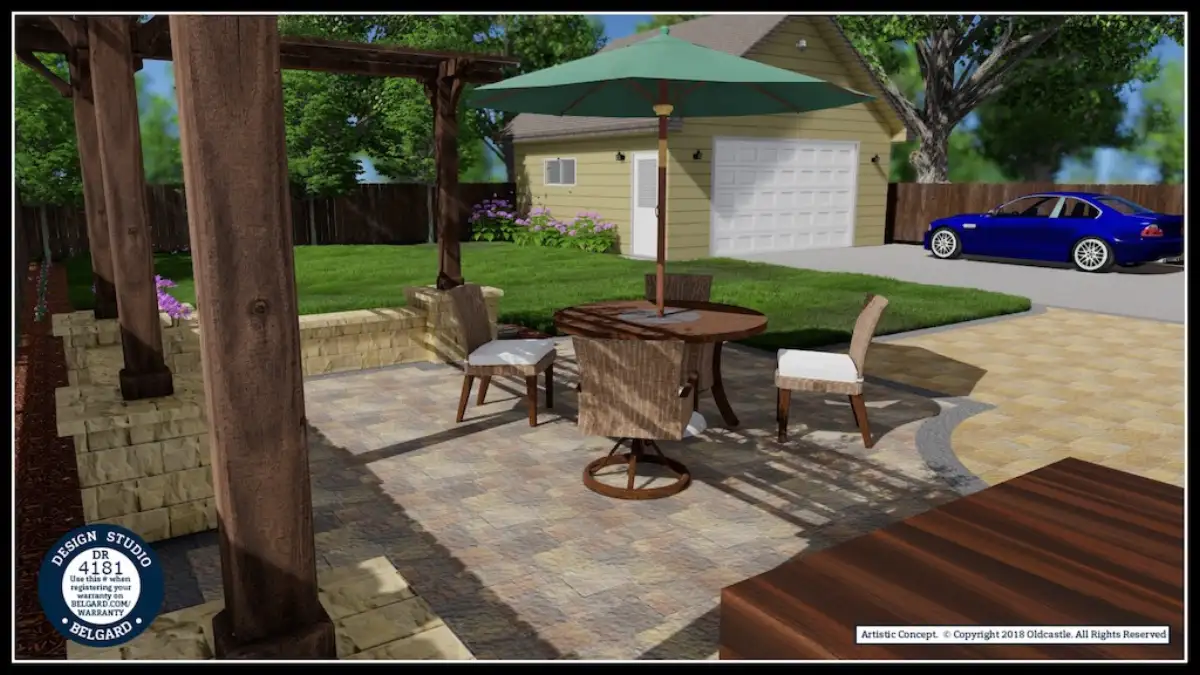
A visualization can help compare views from the house, wall height, seating space, steps, and planting. Review it alongside the dimensions, materials, and supporting design. Agree on the drawings or visualization services included in your project.
Use the design discussion to compare the patio footprint, feature locations, materials, and possible phases. Identify which alternatives are included, how revisions are handled, and how each choice affects the proposed work and price.
What the Design-Build Plan Clarifies for Construction
Discuss which plans and specifications your project needs, who will prepare them, and how construction responsibilities and changes will be handled.
Material Commitments and Alternates
Confirm the proposed paving, wall finishes, lighting, and planting selections. If alternatives are needed, agree on how they will be evaluated and approved, including any effect on price or timing.
Trade Timing and Utility Routes
Include proposed utility routes and future access in the design conversation. The responsible professionals should establish the connections, construction requirements, and sequence for the actual project.
Decision Deadlines
Ask which decisions affect product orders, supporting construction, and the proposed schedule. Record the selections and any dates you need to meet in the project agreement.
Closeout Expectations
Confirm restoration, operating information, product care, and any follow-up work in the proposal. Keep the relevant instructions and written coverage for the features selected for your outdoor space.
Design and Product Conversations
Belgard featured Charlie Kraemer in its March 2022 discussion of outdoor design and identified him as an Advisory Council member. Read the Belgard interview.
Outdoor Living Design-Build FAQ
Yes. A design-only relationship can produce useful ideas, but the construction team still has to price, interpret, and sometimes redesign those ideas. In design-build, the same company creates the plan and builds the work, so constructability, sequencing, and budget are part of the design conversation from the start.
Yes. Phasing is often smart for larger properties. The important step is deciding which infrastructure belongs in the first phase so future lighting, fire features, pergolas, or planting areas can be added without tearing apart finished hardscape.
Request a complimentary on-site consultation to discuss the outdoor space you want to create. Share what is not working now, your priorities and preferred timing. Photos, a survey and any known property or association requirements can help explain the site; discuss which information is needed for your project.
Plan the Outdoor Room Before You Build It
Request a complimentary on-site consultation to discuss your property, priorities, budget, and timing. Agree on the design services and next steps appropriate to your project.