
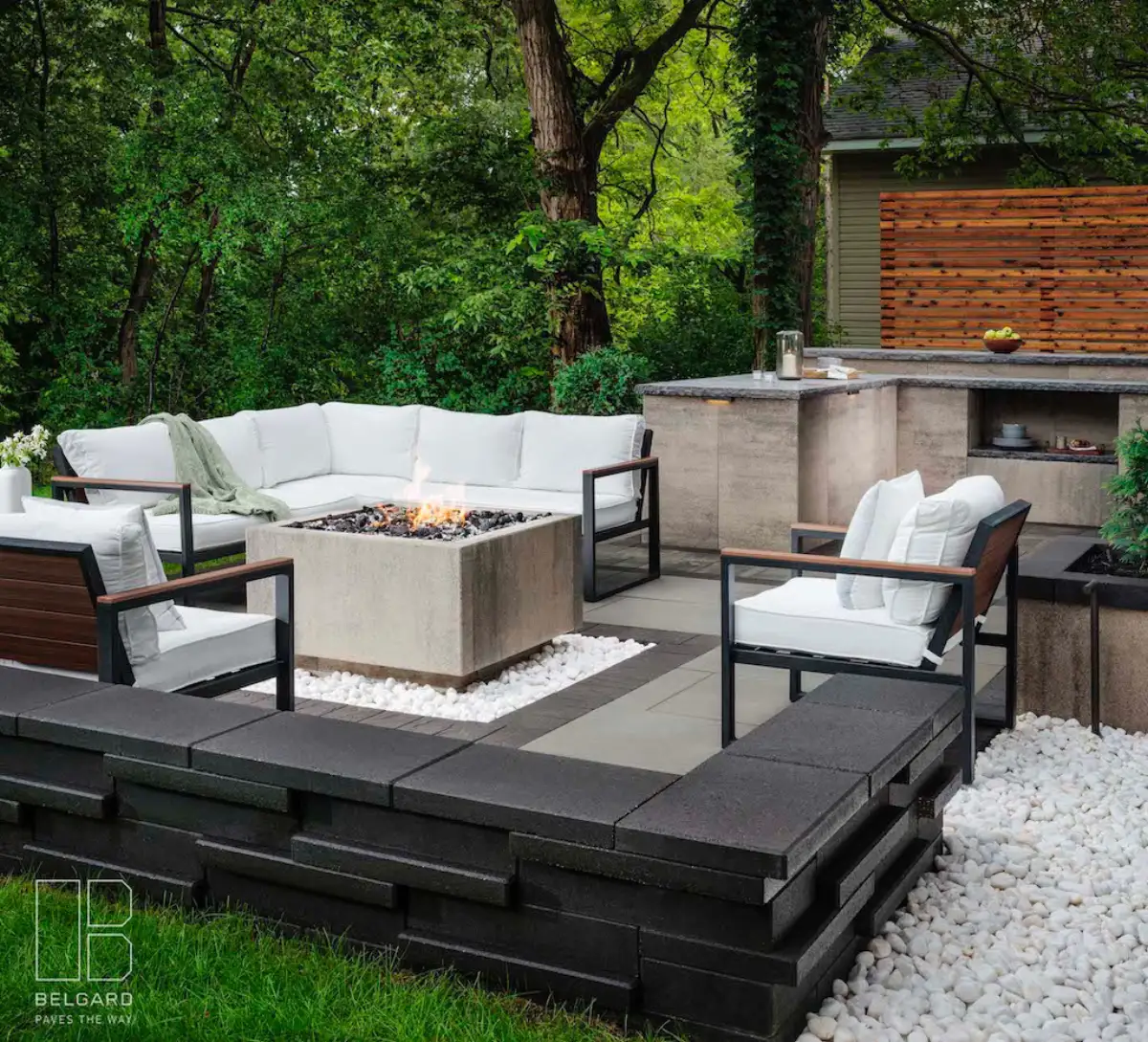
Questions That Make an Outdoor Living Project Easier to Price, Plan, and Build
By Landscape Charlie | | 8 min read
Outdoor living design build is most useful when an Excelsior homeowner is planning more than a single surface. A new patio may need to connect to an older deck. A fire feature may need seating, safe clearances, and a gas or wood-burning decision. A retaining wall may change the whole circulation path through the yard. Lighting, planting screens, pergolas, and future phases all affect the layout before construction starts.
That is why the best first conversation is not only about square footage. Your property may bring mature trees, narrow access, grade changes, water movement, and older hardscape into the same project. The actual ground conditions need assessment alongside those visible features. The right questions help separate a simple patio request from a complete outdoor living design-build plan.
Landscape Charlie serves Shorewood, Excelsior, Minnetonka, Wayzata, Deephaven, Orono, and nearby communities. Charlie Kraemer is the owner and operator of Landscape Charlie, a company established in 2009, and the work still centers on buildable plans: the design decisions are tied to the construction details that help the finished space last in Minnesota weather.
How Will the Patio, Deck, and Doors Connect?
Many outdoor living projects begin at the back door. Ask how the finished patio height will relate to existing doors, stoops, or deck stairs. A patio that looks right in a sketch can still feel awkward if guests step down too sharply, walk around furniture to reach the lawn, or cross a wet low spot after rain.
For an Excelsior home with an existing deck, the design may need broad steps, a landing, a deck renovation, or a patio and deck combination so the upper and lower spaces feel connected. The plan should account for traffic from the kitchen, grill placement, furniture clearances, snow storage, and how people move through the yard after dark.
Where Will Water Go After Construction?
Drainage should be discussed early because it affects nearly every hardscape decision. Ask where roof water, yard runoff, and snowmelt will move after the patio, walls, steps, and planting beds are installed. Ask how the base will be built and compacted, how the finished surface will be pitched, and whether any downspouts or low areas need to be corrected before new pavers go in.
If the plan includes a retaining wall, drainage becomes even more important. A wall should be planned around water pressure, backfill, base preparation, outlets, fabric separation, and the grade above and below the wall. Ask how the proposed wall will manage water behind it and what drainage details the selected system and site require. A good booking conversation makes those details visible before materials are ordered.
Which Features Need to Be Planned Before the Site Is Closed?
Some decisions are inexpensive to handle while the site is open and expensive to add later. Low-voltage lighting wire, gas routes, electrical conduit, sleeves below pavers, future pergola footings, and hot tub or sauna access should be discussed before base work is complete.
This is the main reason phased projects still need a full design. You may decide to build the primary patio and drainage work first, then add a fire feature, pergola, planting screen, or lighting zone later. That can work well when the first phase reserves the space and hidden routes those later features need. It becomes frustrating when phase two requires cutting through finished hardscape because the idea was not discussed during phase one.
What Materials Fit the Home and the Maintenance Goal?
Ask how paver color, wall block, natural stone, steps, cap materials, deck boards, railing, lighting fixtures, and planting masses will relate to the house. Excelsior homes range from lake-area cottages to newer suburban properties, so the same material palette will not fit every site. The right choice should look appropriate with the architecture and perform well through Minnesota seasons.
Material decisions also affect maintenance. A large dining patio, a narrow side walkway, and a front entrance landing all take different wear. If the project includes a fire area, ask how soot, ash, furniture movement, and seating clearances will affect surface choices. If the space will be used heavily by children, pets, or guests, ask how edges, steps, and lighting will hold up to everyday use.
What Does the Estimate Include Beyond Square Footage?
A square-foot price can help with early expectations, but it rarely tells the whole story. Ask whether the estimate includes demolition, excavation, base depth, compaction, drainage, edge restraint, steps, wall work, lighting rough-ins, planting, access protection, material allowances, and cleanup. If the proposal includes phases, ask what is included now and what is reserved for later.
Outdoor living projects around Excelsior often combine several scopes. A useful estimate should make the construction sequence clear enough that you understand what happens first, which decisions affect cost, and where optional upgrades belong. The same coordination applies to Minnetonka outdoor living projects, where drainage, deck transitions, patios, walls, lighting, fire features, and future phases may all affect the estimate.
How Will Construction Access Work?
Access can shape the schedule and the approach. Ask where equipment will enter, how materials will be staged, whether a side yard is narrow, how mature plantings will be protected, and whether driveway or street access affects delivery. This is especially important when the project includes excavation, retaining walls, large paver deliveries, or a tight route between the house and property line.
Access planning is also part of customer comfort. If pets, children, lake equipment, or daily routines depend on the yard, talk through how the site will be managed while construction is underway. A clear plan makes the work easier to live with and helps prevent avoidable disruption.
What Should You Share Before the First Conversation?
Describe how you want to use the yard, what feels awkward today, and which features matter most. Your priorities may include a complete outdoor living plan, patio installation, retaining wall, fire pit space, low-voltage lighting, or a pergola. Photos of the current yard, rough measurements, timing goals, and notes about drainage, access, pets, or future phases will help make the first conversation more productive.
When you are ready to talk through your property, share the city, project goals, timing, must-have features, and any drainage, grade, access, or phasing concerns. Contact Landscape Charlie to start the conversation, or call (612) 220-0101.
FAQ: Outdoor Living Design Build in Excelsior, MN
What should Excelsior homeowners ask before booking outdoor living design build?
A complete design-build plan should show how drainage, grade, patio base preparation, walls, steps, lighting routes, fire feature clearances, shade plans, material selections, construction access, timing, and future phases fit together before work begins.
Why does outdoor living design build matter for Excelsior homes?
An existing property may have grade changes, established planting, restricted access, water concerns, or transitions between older outdoor features. Assess the actual conditions and supporting ground so the design and proposed construction address the same site.
Can outdoor living projects in Excelsior be phased?
Yes. A phased project can work well when the full plan is designed first. Early phases can include patios, drainage, retaining walls, steps, and utility sleeves so later lighting, fire features, pergolas, planting screens, or deck connections can be added without unnecessary rework.
How do I start an outdoor living design-build consultation?
Start by sharing your property location, project goals, timing, must-have features, known drainage or access concerns, and budget priorities through the Landscape Charlie contact form or by calling (612) 220-0101.