
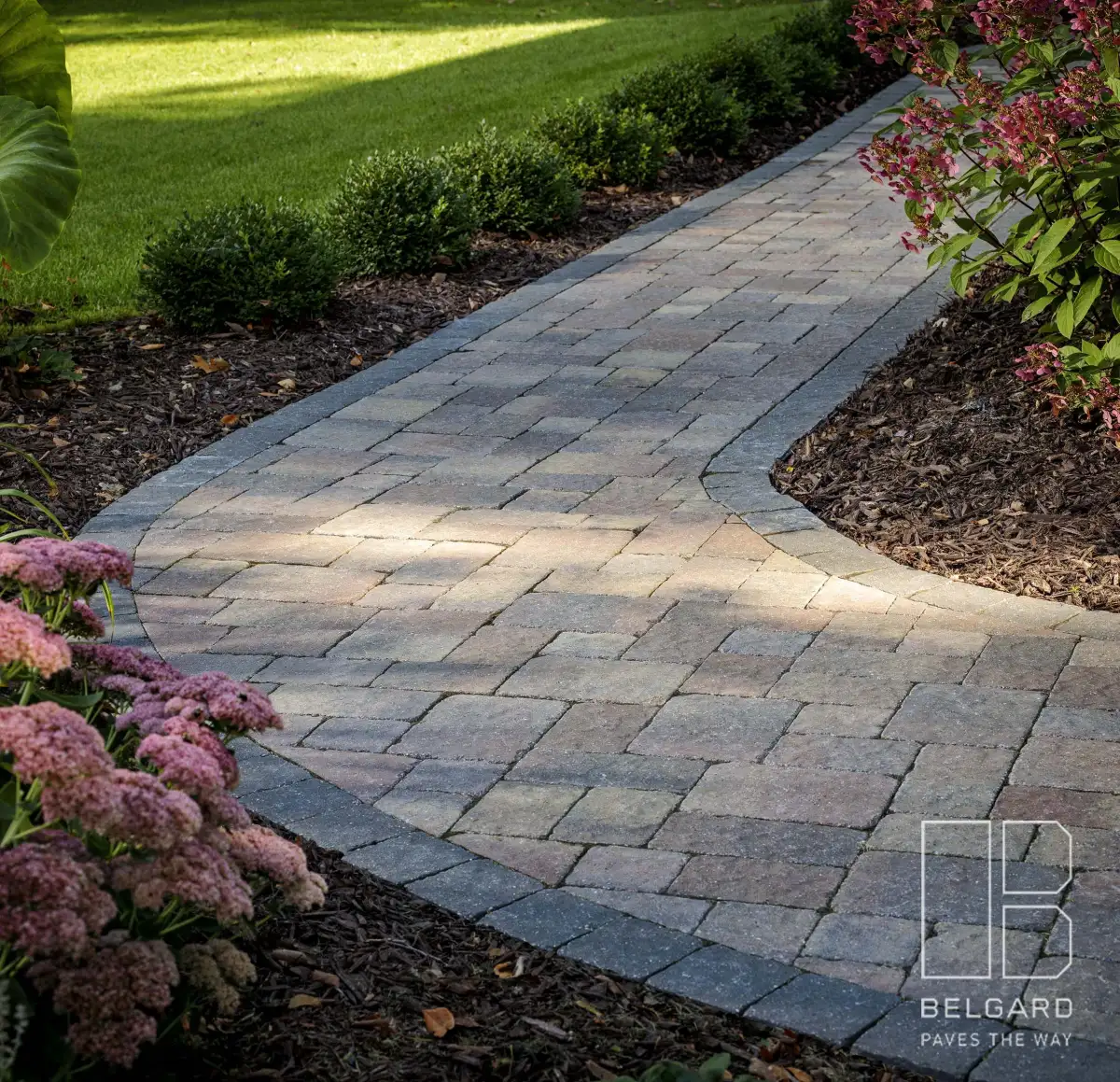
Patio Installation in the Lake Minnetonka Area
Custom patio construction using Belgard pavers and natural stone, engineered for Minnesota's freeze-thaw cycles. From intimate courtyards to full-scale entertainment terraces, every installation starts with 3D design and proper base preparation.
Why Proper Patio Installation Matters Here
Patio installation in the Lake Minnetonka area costs $22 to $55 per square foot depending on material, with Belgard pavers averaging $22-$38 and natural stone running $30-$55 fully installed. These prices include excavation, base preparation, material, labor, and polymeric sand. Minnesota's climate demands a more rigorous installation process than warmer regions, and that difference in workmanship determines whether your patio lasts 15 years or 50.
The Twin Cities region experiences one of the most extreme freeze-thaw cycles in the country. Ground temperatures swing from 90 degrees in July to 30 below zero in January, and the frost line reaches 42 to 60 inches deep depending on snow cover. Every winter, the ground beneath your patio expands as moisture freezes in the soil, then contracts as it thaws in spring. Poured concrete cannot absorb this movement, which is why most concrete patios in Minnesota develop cracks within their first decade. Interlocking pavers, by contrast, flex with the ground through flexible joints that absorb seasonal movement without visible damage.
At Landscape Charlie, patio installation begins well before the first paver is placed. Charlie Kraemer evaluates every site for soil composition, drainage patterns, grade changes, and sun exposure during an initial consultation. As one of only 12 contractors on the Belgard Advisory Council nationally, our installation standards exceed the manufacturer's own specifications. We design every patio in 3D so you see the finished product before we break ground, and our base preparation protocol uses 8 to 12 inches of compacted Class 5 aggregate, geotextile fabric separation, and proper slope for drainage.
This page covers the installation process, material options, and what to expect when you work with us. If you are comparing patio materials and pricing, our patio design page has a detailed material comparison table and cost breakdowns.
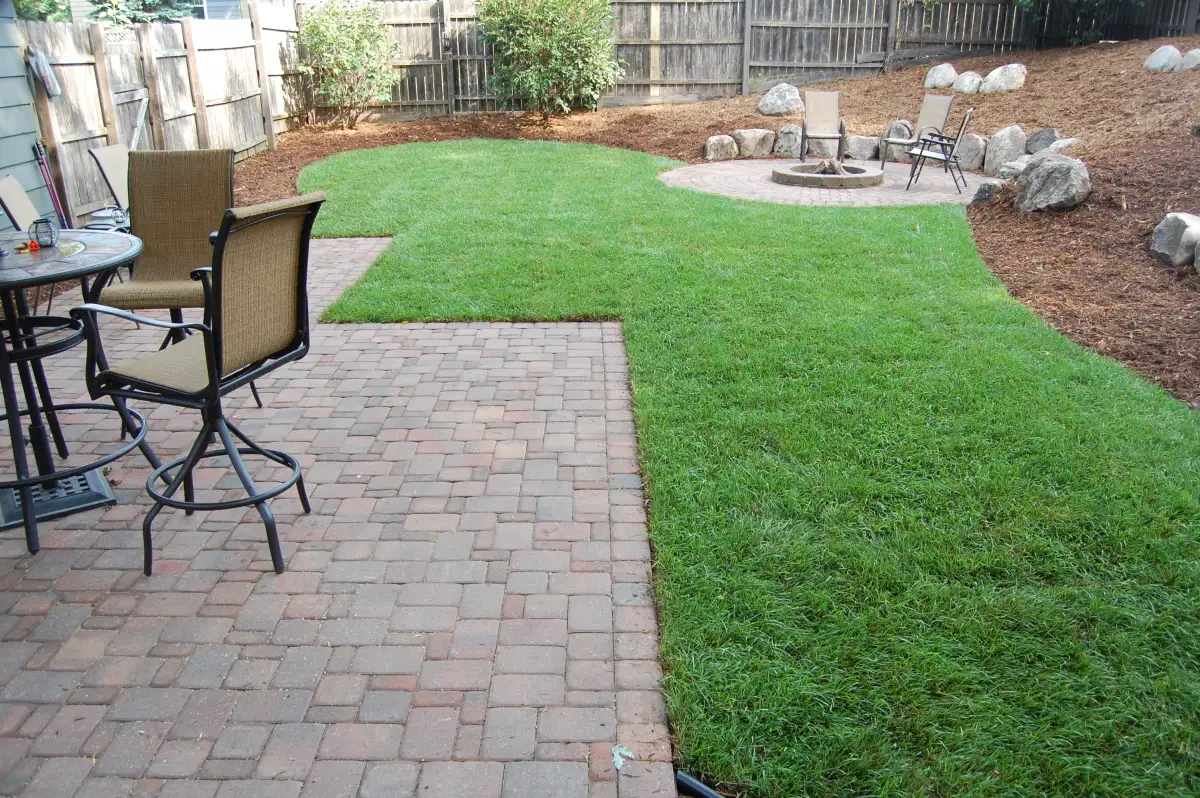
How We Install Patios in Minnesota
Every patio follows a six-phase installation sequence. No steps skipped, no shortcuts taken.
Site Evaluation & Soil Testing
We assess soil type, drainage patterns, and existing grade. Hennepin County soils range from sandy loam near the lake to heavy clay inland. Each requires different base depths and drainage strategies to prevent settling.
3D Design & Material Selection
Your patio is rendered in full 3D with accurate dimensions, material colors, and surrounding landscape context. We adjust layout, elevation changes, and features until the design matches your property and how you plan to use the space.
Excavation & Grading
We excavate to the full required depth, typically 14 to 18 inches total including the paver thickness. Proper slope away from the home at a minimum of one-quarter inch per foot ensures water drains away from your home, not toward it.
Base Compaction
Geotextile fabric goes down first to separate subsoil from aggregate. Then Class 5 limestone is installed in two-inch lifts, each mechanically compacted to 95 percent density. This is where most contractors cut corners and where most patio failures originate.
Paver Placement & Cutting
Pavers are hand-placed to pattern on a screeded sand bed. Border cuts are made with a diamond-blade wet saw for clean, precise edges. Soldier course borders and accent bands are laid according to the approved 3D design.
Joint Sand & Edge Restraint
Polymeric sand is swept into all joints and activated with water to create a flexible bond that resists weed growth and insect intrusion. Aluminum or plastic edge restraint is spiked into the compacted base around the full perimeter to prevent lateral creep.
When Is the Best Time to Install a Patio in Minnesota?
The ideal window for patio installation in the Twin Cities is May through October, with the sweet spot being late May through September when ground conditions are stable and temperatures support proper polymeric sand activation.
Spring installations starting in late April or early May work well if the ground has fully thawed and dried enough for excavation. In wet springs, we may need to wait an additional week or two for the soil to firm up, particularly in low-lying areas near Lake Minnetonka where the water table sits higher.
Fall installations through late October are entirely feasible and often come with shorter lead times since demand drops after Labor Day. Polymeric sand requires temperatures above 40 degrees Fahrenheit for proper curing, so we monitor forecasts carefully for late-season projects. The one advantage of fall installation is that your patio has all winter to settle before its first full season of use.
We recommend contacting us 4 to 8 weeks before your desired start date. Design, 3D rendering, material ordering, and permit processing, when required, take 2 to 4 weeks before installation begins. Homeowners who plan to combine a patio with retaining walls, fire features, or lighting should allow additional lead time for the larger project scope.
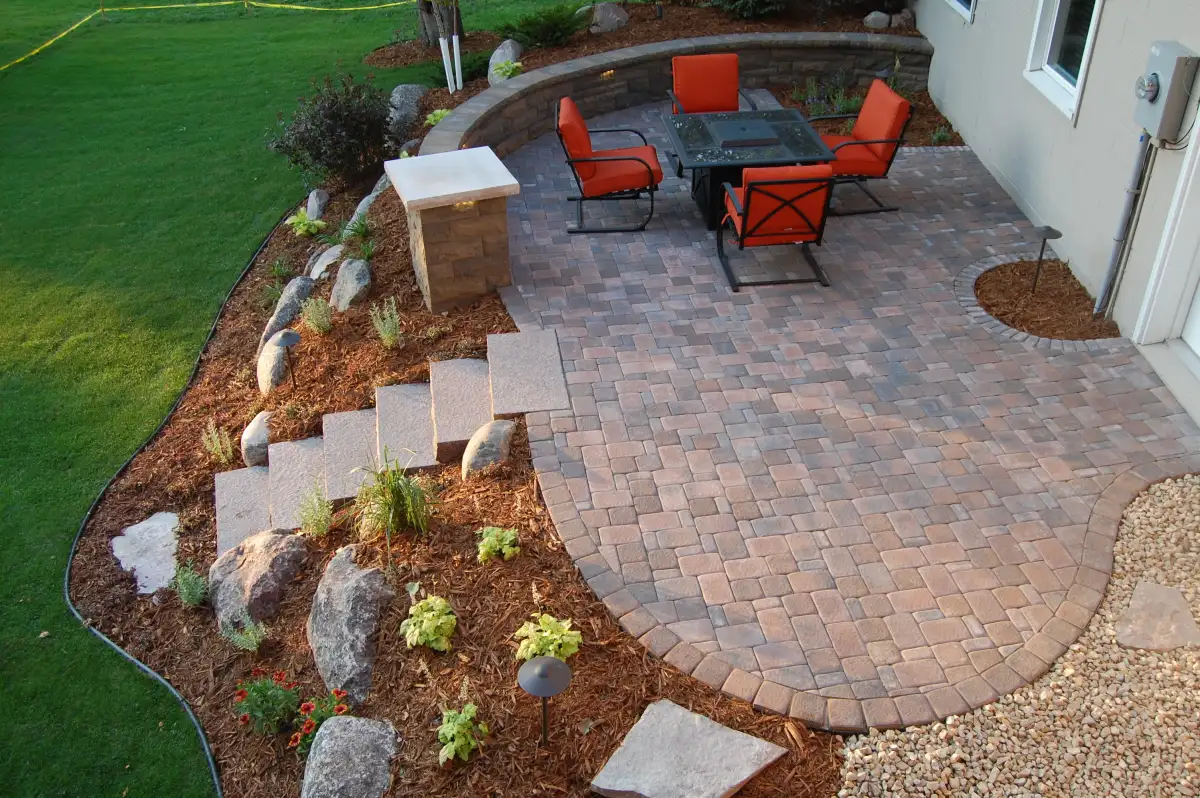
Patio Installation FAQ
Interlocking concrete pavers from manufacturers like Belgard perform best in Minnesota. The flexible joint system absorbs freeze-thaw ground movement that cracks poured concrete within 15-20 years. Properly installed pavers on a compacted Class 5 aggregate base last 25-50 years in our climate. Natural stone is equally durable but costs more. See our patio materials comparison for a full breakdown.
We install a minimum of 8 inches of compacted Class 5 aggregate base for standard patios, and 10-12 inches for clay-heavy soils or areas with poor drainage. Minnesota's frost depth reaches 42 to 60 inches, so proper base preparation and drainage are critical to prevent heaving. Skimping on base depth is the number one cause of patio failure in our climate.
A standard residential patio of 300-500 square feet takes 5-10 working days from excavation to completion. Multi-level patios with retaining walls, fire features, or integrated steps can take 2-4 weeks. Minnesota's building season runs late April through November, with peak demand June through September.
Services That Complement Patio Installation
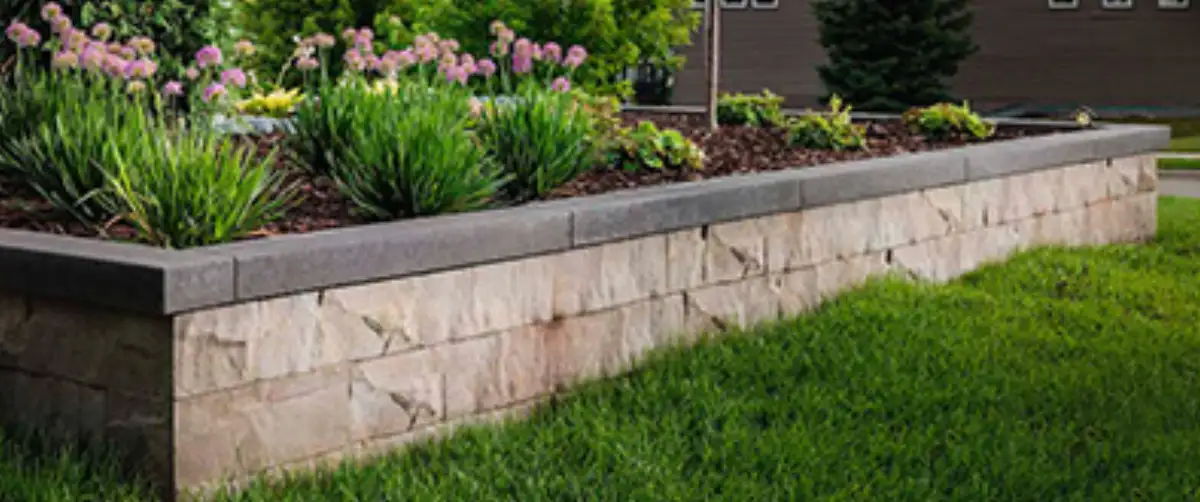
Retaining Walls
Level sloped yards and create terraced patio areas with structural walls that integrate seamlessly into the design.

Fire Features
Fire pits and fireplaces built directly into your patio extend the outdoor season well into Minnesota's fall evenings.
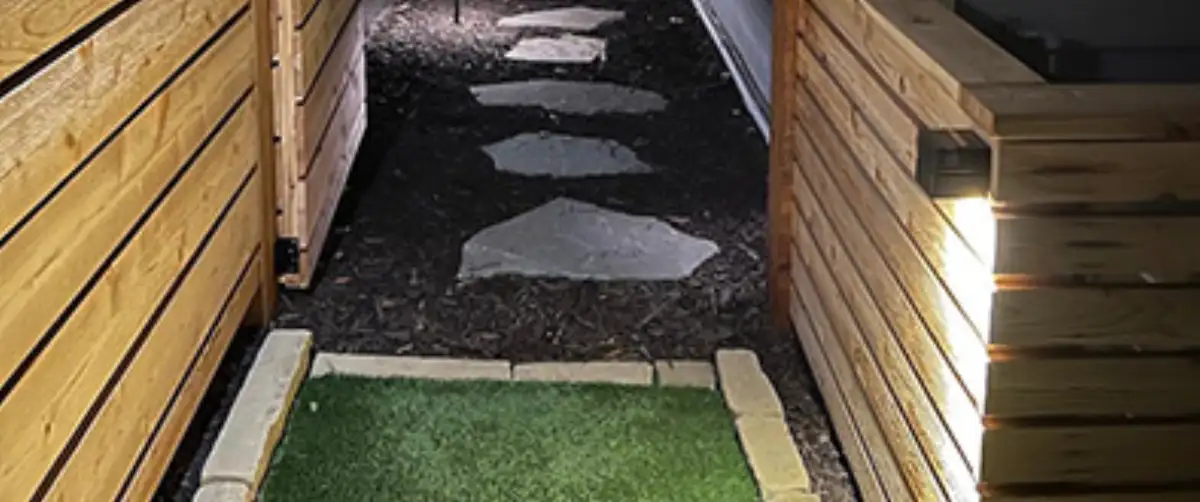
Landscape Lighting
Step lights, path lights, and accent lighting make your patio safe and stunning after dark.
Schedule Your Patio Installation Consultation
Contact Charlie Kraemer to discuss your patio project. We will walk your property, evaluate site conditions, and provide a 3D design and detailed proposal.