
Low Voltage Landscape Lighting | Minnetonka & Minneapolis
Professional LED lighting that doubles your outdoor hours, enhances safety, and transforms your landscape into something remarkable after dark. Designed and installed as part of your complete outdoor living space.
See Your Property in a Completely New Way
Low voltage landscape lighting has really come a long way since the introduction of LED, and it is more cost-effective than ever before. Modern LED fixtures use a fraction of the energy halogen systems consumed while producing superior light quality, warmer color temperatures, and significantly longer bulb life. A professionally designed lighting system runs for pennies a day and lasts 15-20 years before fixtures need attention.
In Minnesota, where winter days can drop below nine hours of sunlight and fall evenings arrive by 5 PM, outdoor lighting is not a luxury but a practical necessity. It extends the usable hours of your patio and outdoor rooms, lights pathways and steps for safe navigation, and adds year-round curb appeal that looks as striking in January snow as it does in July gardens.
We design lighting as an integrated element of every outdoor living project. Conduit runs are installed during hardscape construction so there are no trenches to dig later, no wires to hide, and no landscape damage. When lighting is planned from the start, every fixture has purpose: illuminating what deserves attention and leaving what does not in shadow. That balance between light and dark is what separates professional landscape lighting from a box of fixtures scattered around a yard.
Four Types of Landscape Lighting
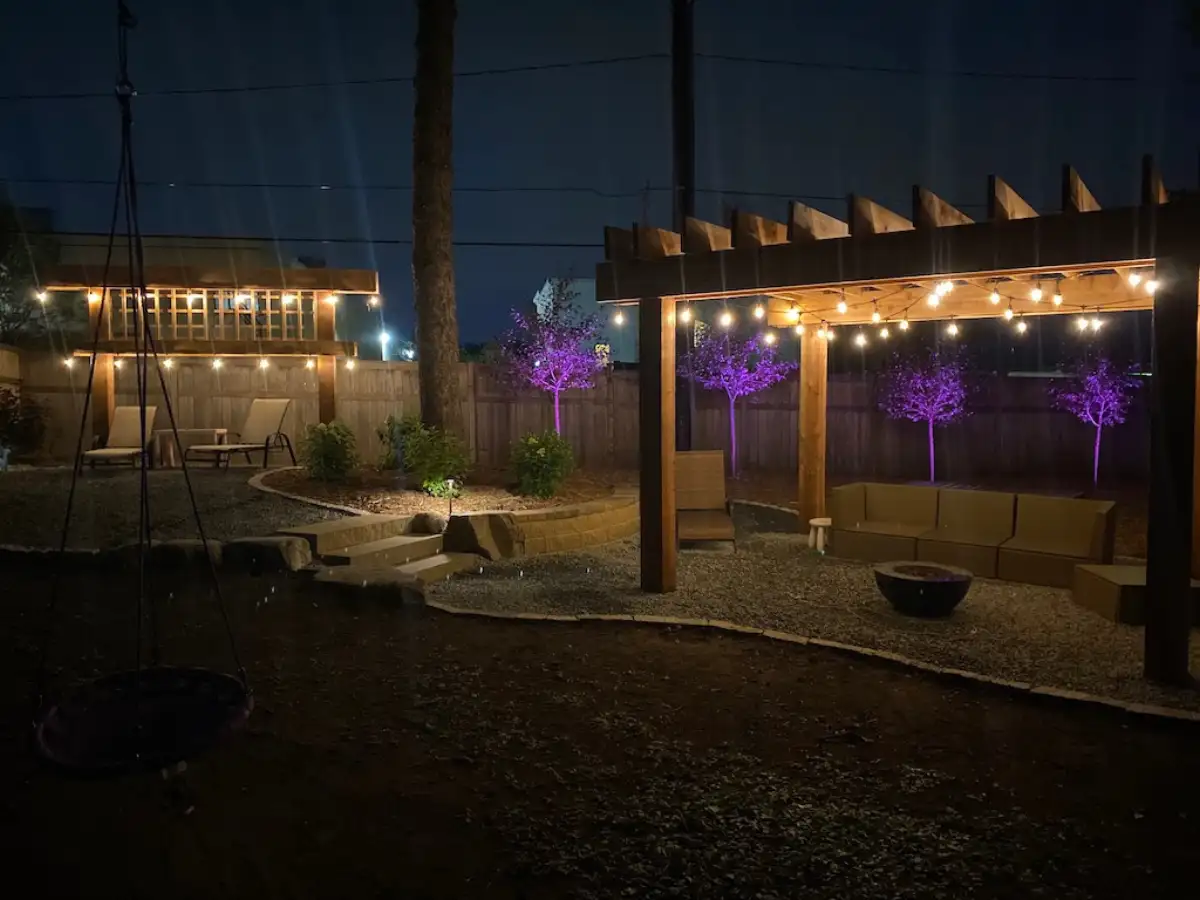
A complete lighting plan uses all four types working together to create depth, safety, and ambiance.
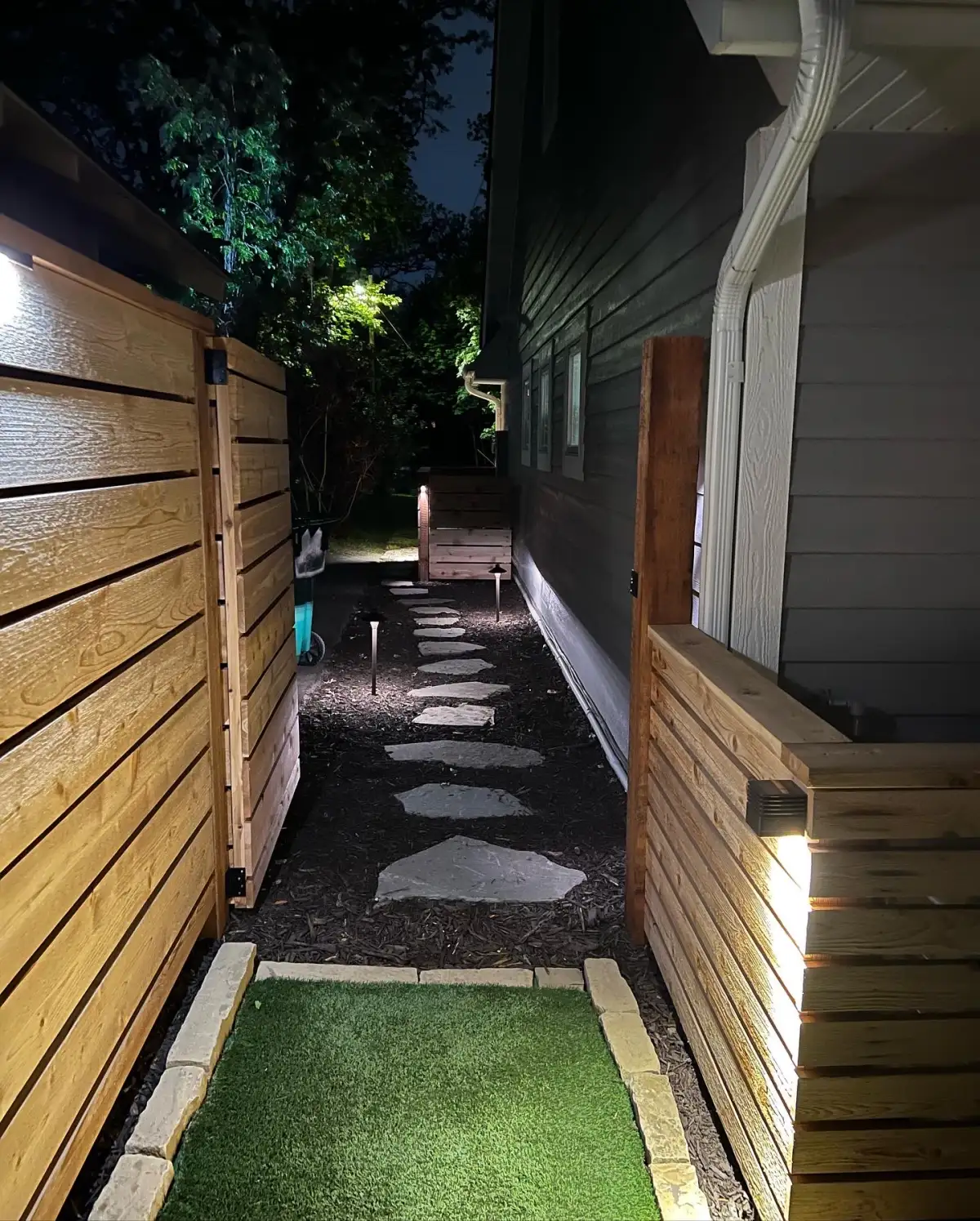
Path & Step Lighting
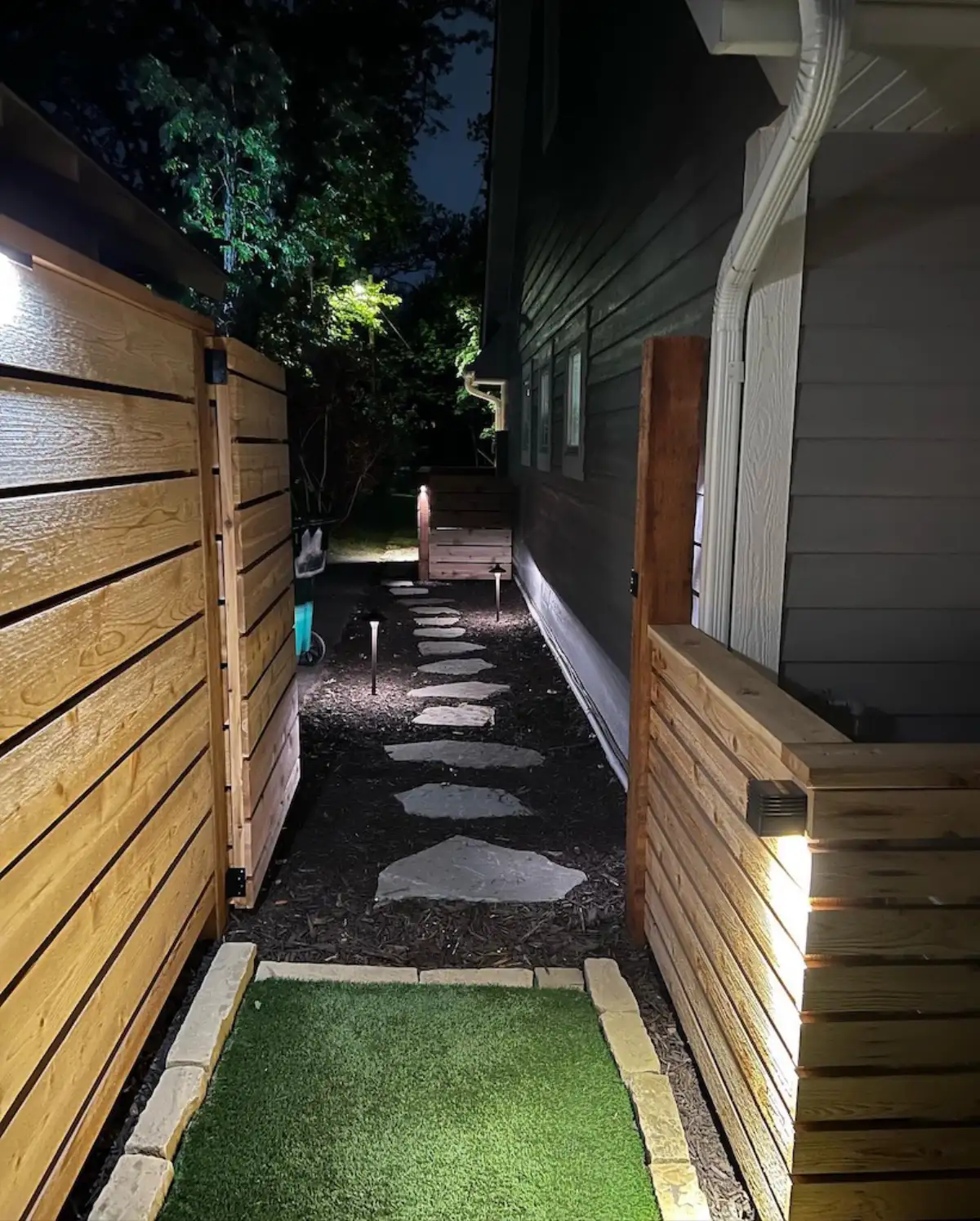
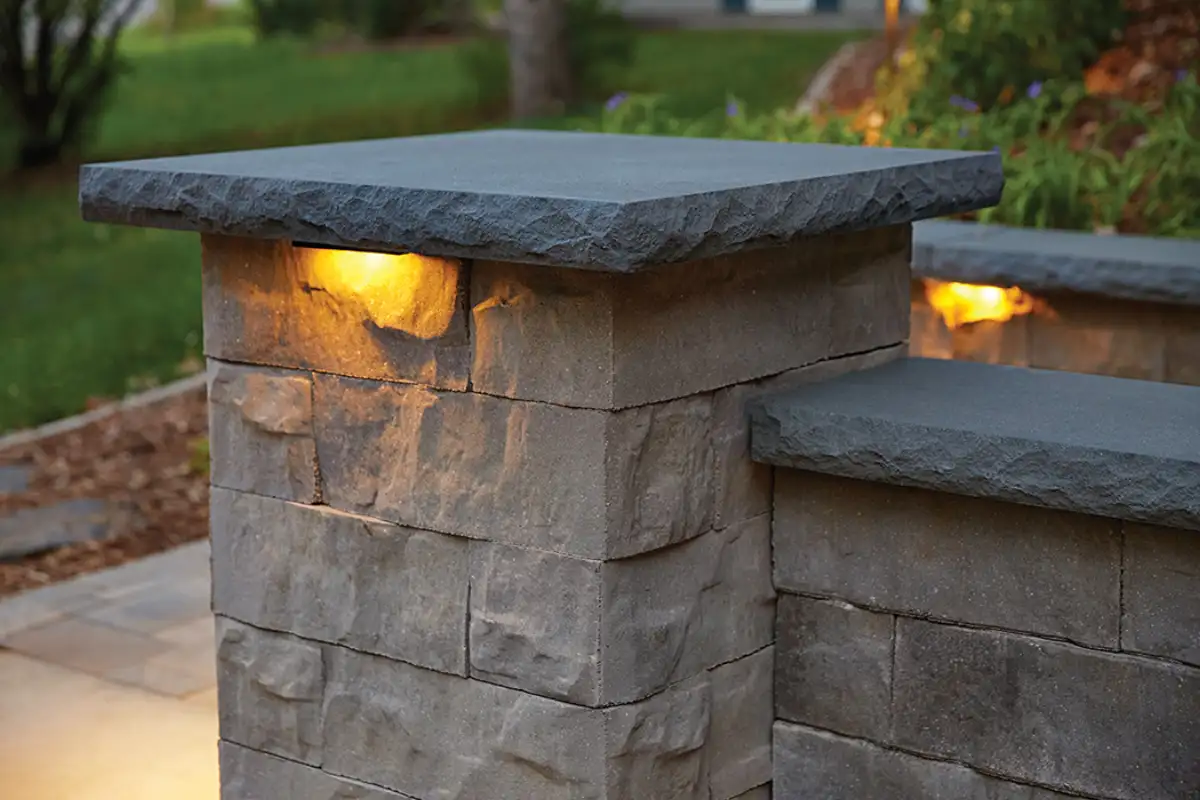
Low-profile fixtures that illuminate walkways, stairs, and transitions between grade levels. Essential for safety on properties with retaining walls and steps. Placed at consistent intervals for even coverage without hotspots. Bollard-style, hat-style, and recessed options available to match your hardscape aesthetic.
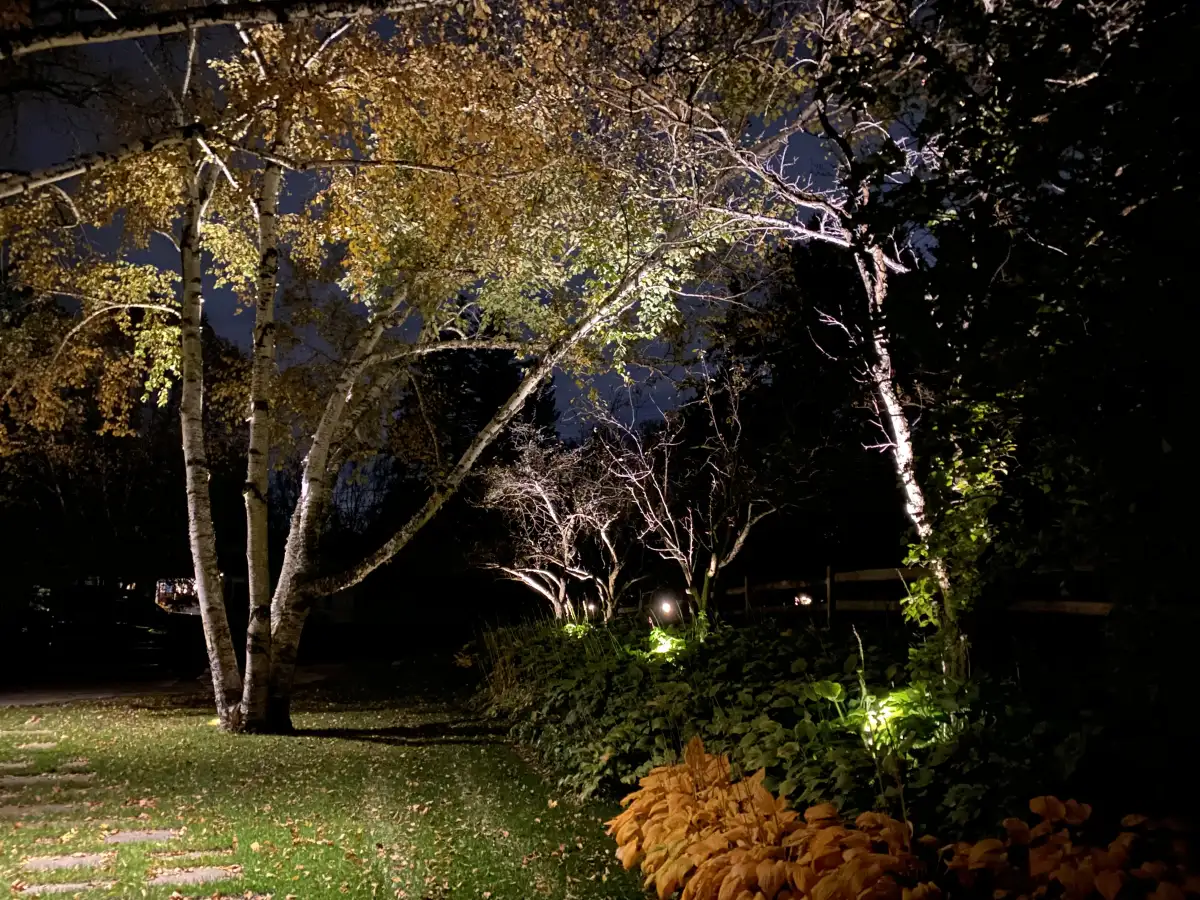
Uplighting & Accent
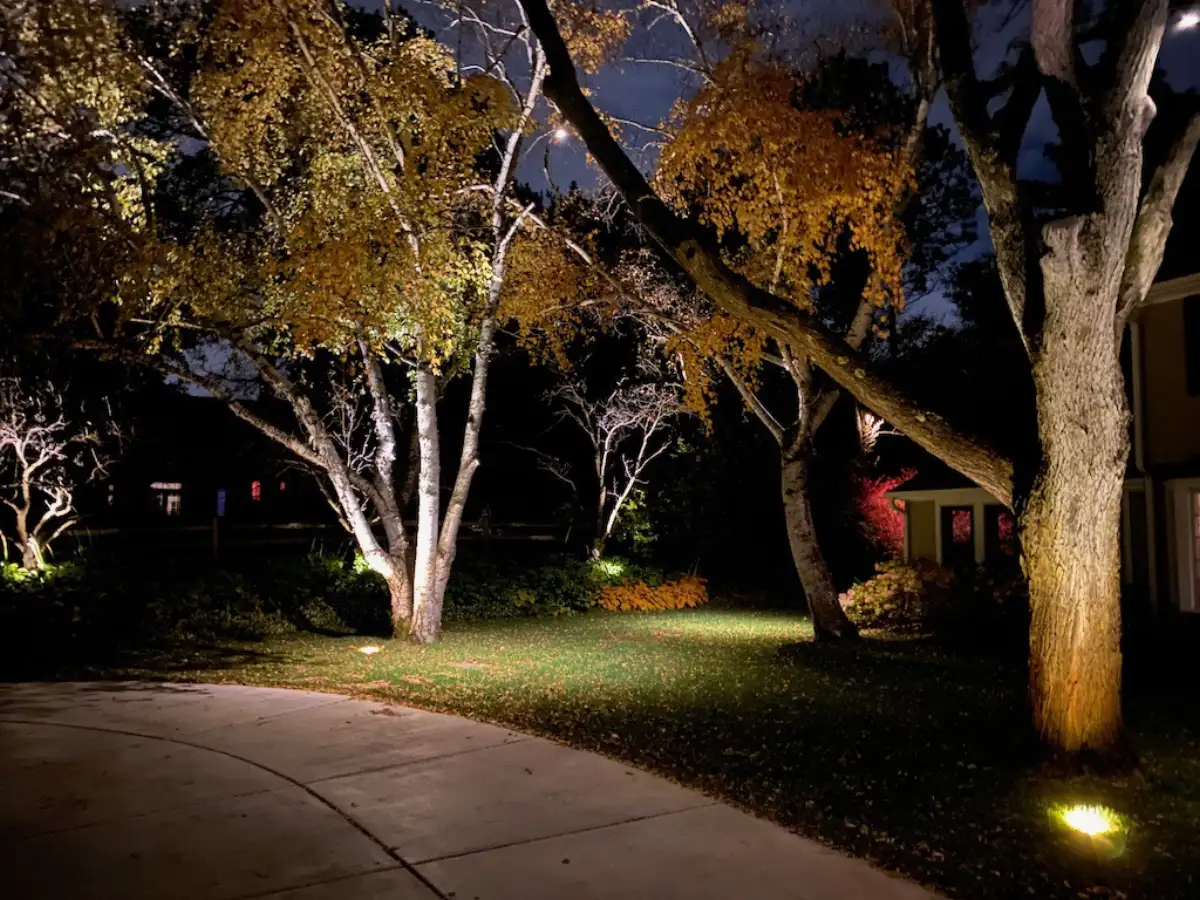
Directional fixtures aimed upward at specimen trees, architectural features, retaining walls, and water features. Creates drama and depth by casting light where the eye naturally travels. We select warm-white LEDs (2700K) that complement natural materials and skin tones. Adjustable fixtures allow fine-tuning after installation.
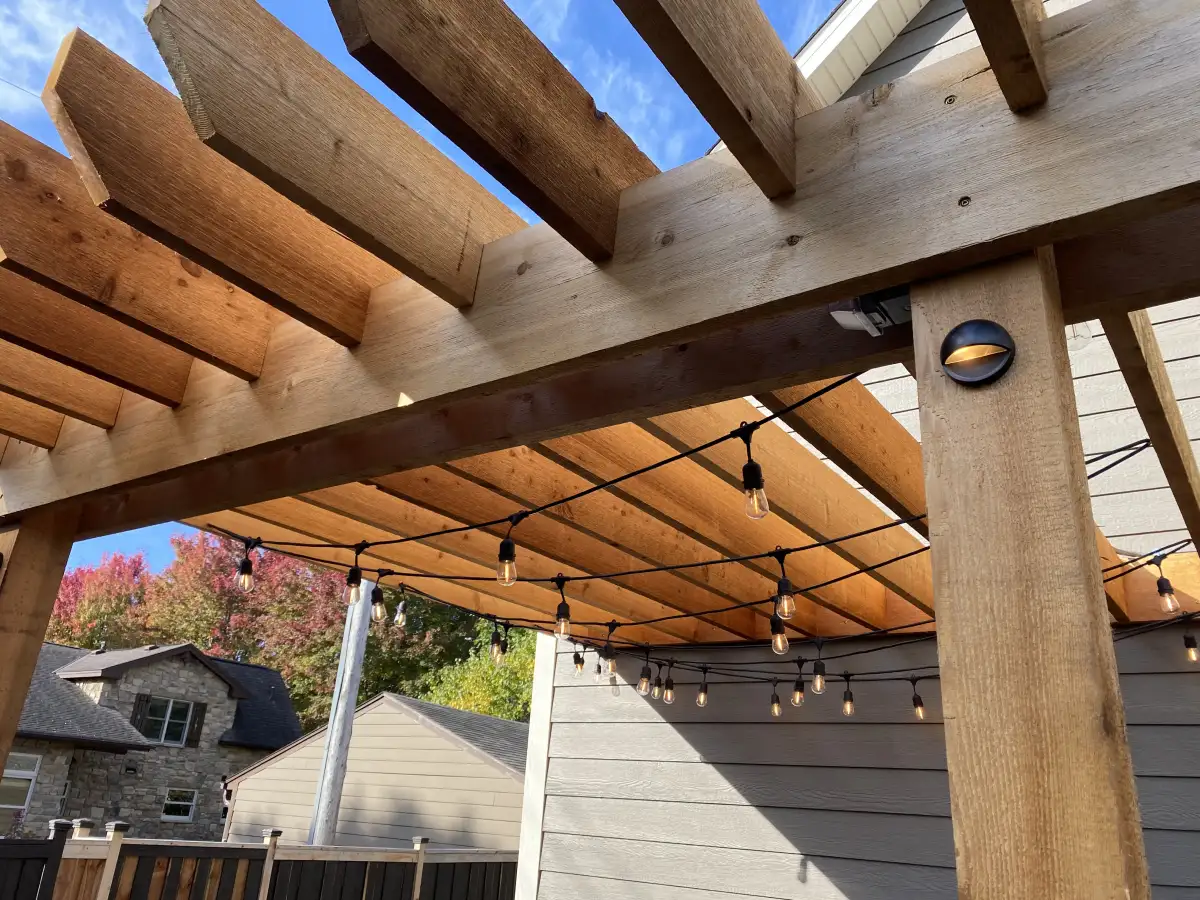
Area & Task Lighting
Downlighting from trees or structures that washes a patio, outdoor kitchen, or dining area with functional light. Moonlighting, where fixtures are placed high in tree canopies, creates natural-looking shadows below. Grill lights and counter lights ensure outdoor kitchens are usable after sunset. Dimmable controls let you adjust intensity by activity.
Security & Perimeter
Subtle lighting at entry points, garage approaches, and property edges deters unwanted visitors while maintaining neighborhood aesthetics. Motion-activated zones can be integrated into the system without separate installations. A well-lit property is statistically less attractive to intruders than flood lights that broadcast a fortress mentality.
Why Lighting Matters More Here Than Anywhere
Minnesota's latitude means dramatic seasonal shifts in daylight. From mid-November through early February, the sun sets before 5 PM. Without landscape lighting, your property sits in darkness for 14-15 hours a day. That is five months where the only view from your windows is blackness, and your only experience of your landscape is walking to the car in the morning.
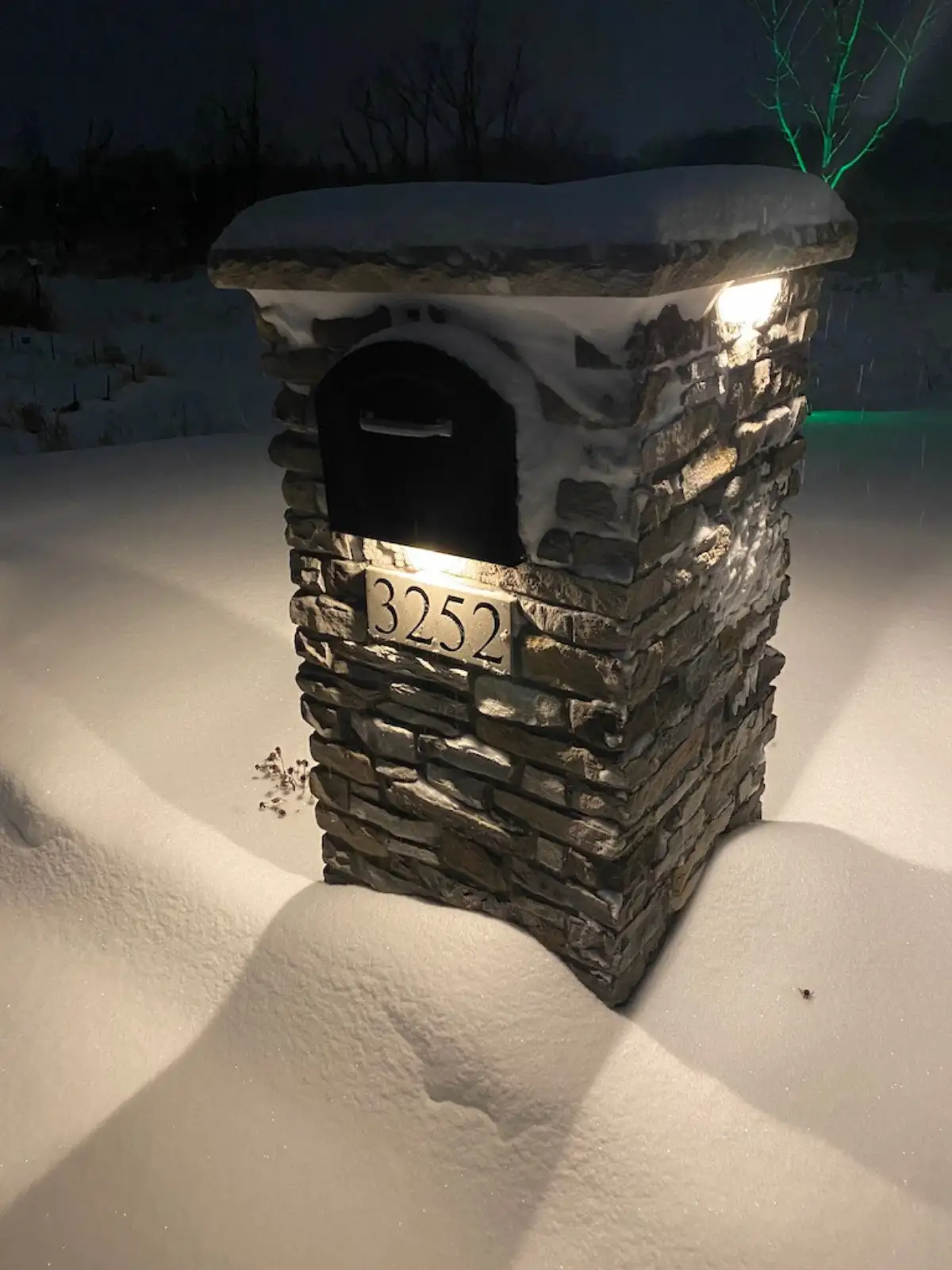
Professional lighting changes that entirely. Your retaining walls, specimen trees, and patio remain visible and beautiful year-round. Snow-covered landscapes under warm LED light are genuinely stunning, and many of our clients tell us winter is when they appreciate their lighting the most.
From a practical standpoint, Minnesota's ice and snow make path and step lighting a safety essential. The cost of a landscape lighting system is far less than a single emergency room visit from a fall on unlit stairs. We install step lights recessed into retaining walls and risers so every grade change is visible regardless of conditions.
Energy Efficiency
A typical 15-fixture LED landscape lighting system draws about 150 watts, less than two standard light bulbs. Running from dusk to midnight, the annual electricity cost is approximately $20-$30. LED fixtures rated for 50,000 hours mean 15+ years of nightly use before replacement. The most expensive component of your lighting system is the design and installation labor, not the ongoing operation.
Choosing the Right Low Voltage Lighting System
Not all low voltage landscape lighting systems are equal. Understanding the technical differences helps you make a better investment decision.
Transformer Sizing and Placement
The transformer is the heart of any low voltage lighting installation. It converts household 120-volt power to a safe 12-volt output that powers every fixture in the system. Proper transformer sizing matters: undersized transformers cause dim fixtures at the end of long wire runs, while oversized units waste energy and money. We calculate the total wattage draw of every planned fixture, add a 20 percent buffer for future expansion, and specify a multi-tap transformer that allows voltage adjustment for different wire run lengths. The transformer mounts near an exterior GFCI outlet, typically concealed behind plantings or inside a ventilated enclosure. Dual-circuit transformers with independent timers let us program front-yard and backyard lighting zones on different schedules.
Wire Gauge and Voltage Drop
Voltage drop across long wire runs is the most common cause of uneven lighting in residential landscape systems. Over a 100-foot run, a 12-gauge wire loses approximately 15 percent of its voltage, which translates to noticeably dimmer fixtures at the end of the line. We address this by using heavier 10-gauge wire for main trunk runs, splitting long runs into shorter home runs from the transformer, and specifying multi-tap transformers that deliver 13 to 15 volts at the source to compensate for expected line losses. Every fixture in your system receives consistent voltage, producing uniform light output across the entire property.
Fixture Quality and Weather Resistance
Minnesota's climate subjects outdoor fixtures to temperature swings from negative 20 to 95 degrees Fahrenheit, sustained snow cover, spring melt flooding, and intense UV exposure during summer months. Inexpensive fixtures from big-box stores are typically made from thin aluminum or plastic housings that corrode, crack, and fail within two to three seasons. We specify professional-grade fixtures with solid brass, copper, or marine-grade aluminum housings that carry lifetime warranties against corrosion. Integrated LED modules in these fixtures are sealed against moisture with IP67 or higher ratings, and connection points use waterproof gel-filled wire nuts that prevent the green oxidation corrosion that plagues standard connectors in wet soil conditions.
Smart Controls and Automation
Modern low voltage landscape lighting systems integrate with smart home platforms through Wi-Fi-enabled transformers and zone controllers. Astronomical timers automatically adjust on and off times based on sunset and sunrise throughout the year, eliminating seasonal manual adjustments. Smartphone apps let homeowners create lighting scenes: a bright entertaining mode for dinner parties, a dim ambient mode for evening relaxation, and a security mode that activates motion sensors at perimeter fixtures. Some systems integrate with voice assistants, allowing control through simple commands. We configure these controls during installation and walk you through the app and programming before the project is complete, so you are comfortable managing your lighting from day one.
Services That Pair With Landscape Lighting
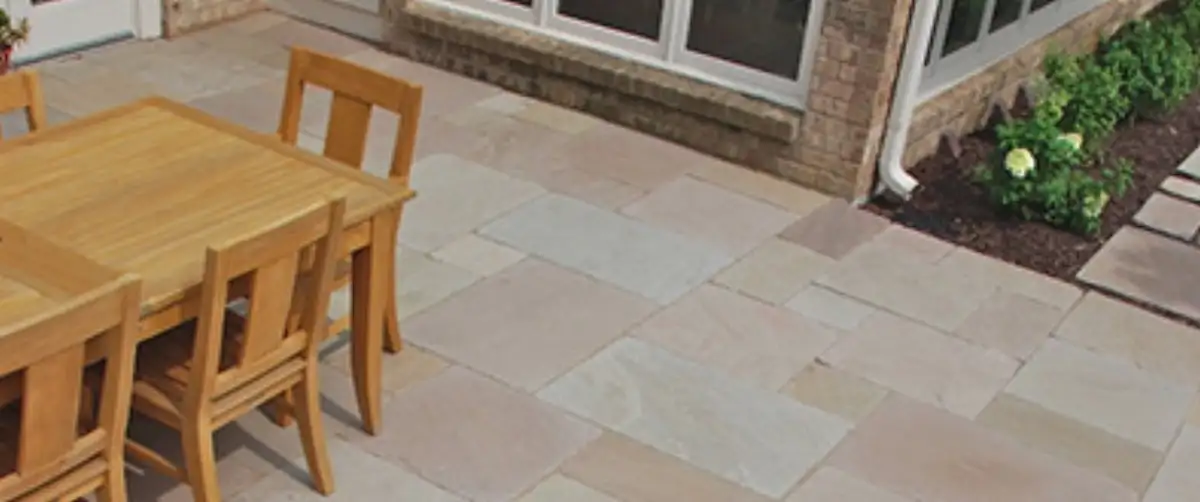
Patios
Conduit for lighting is installed during patio construction. Plan both together for seamless integration and zero disruption.
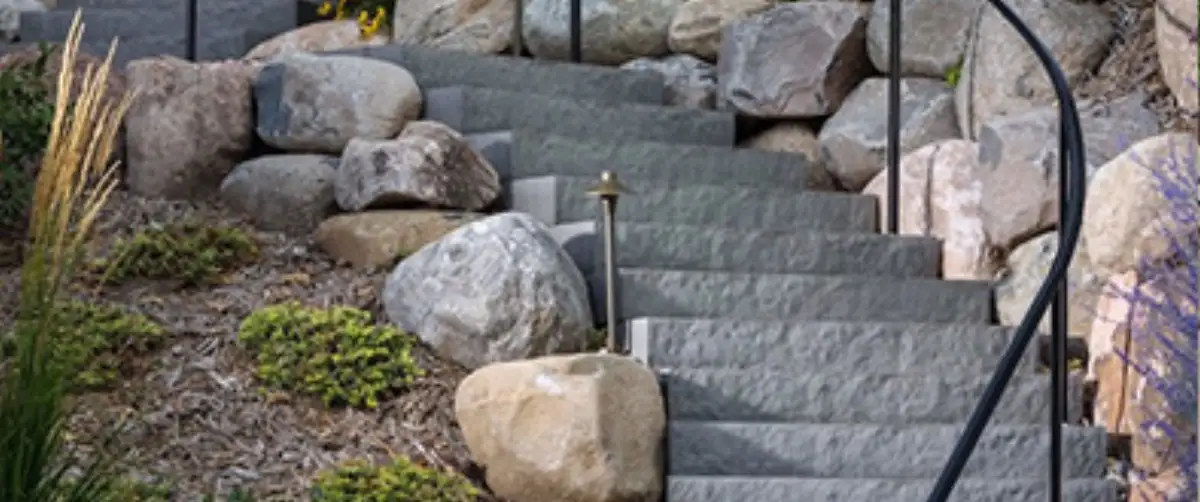
Steps & Stairs
Recessed step lights built into risers ensure safe navigation of grade changes throughout your landscape.
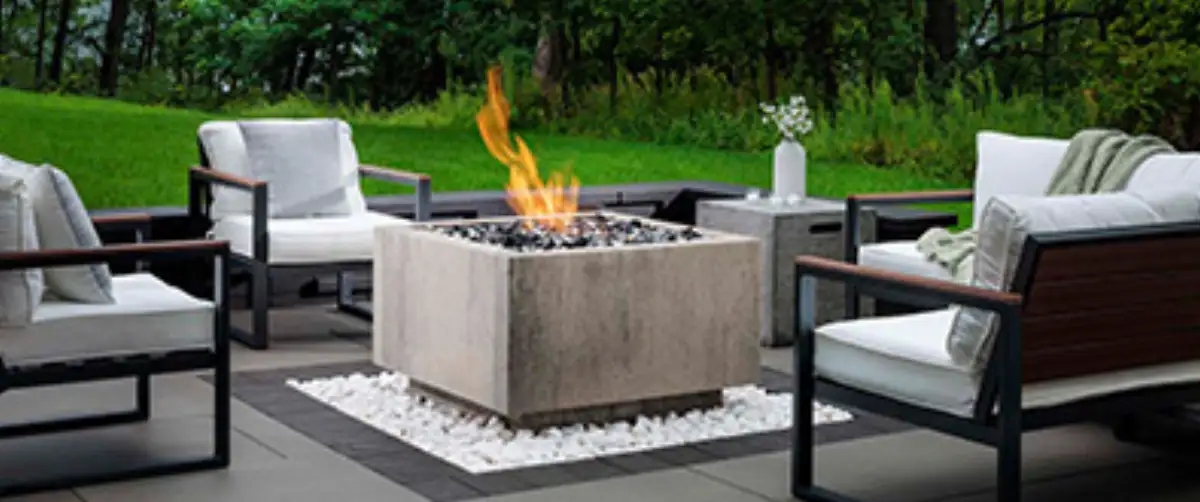
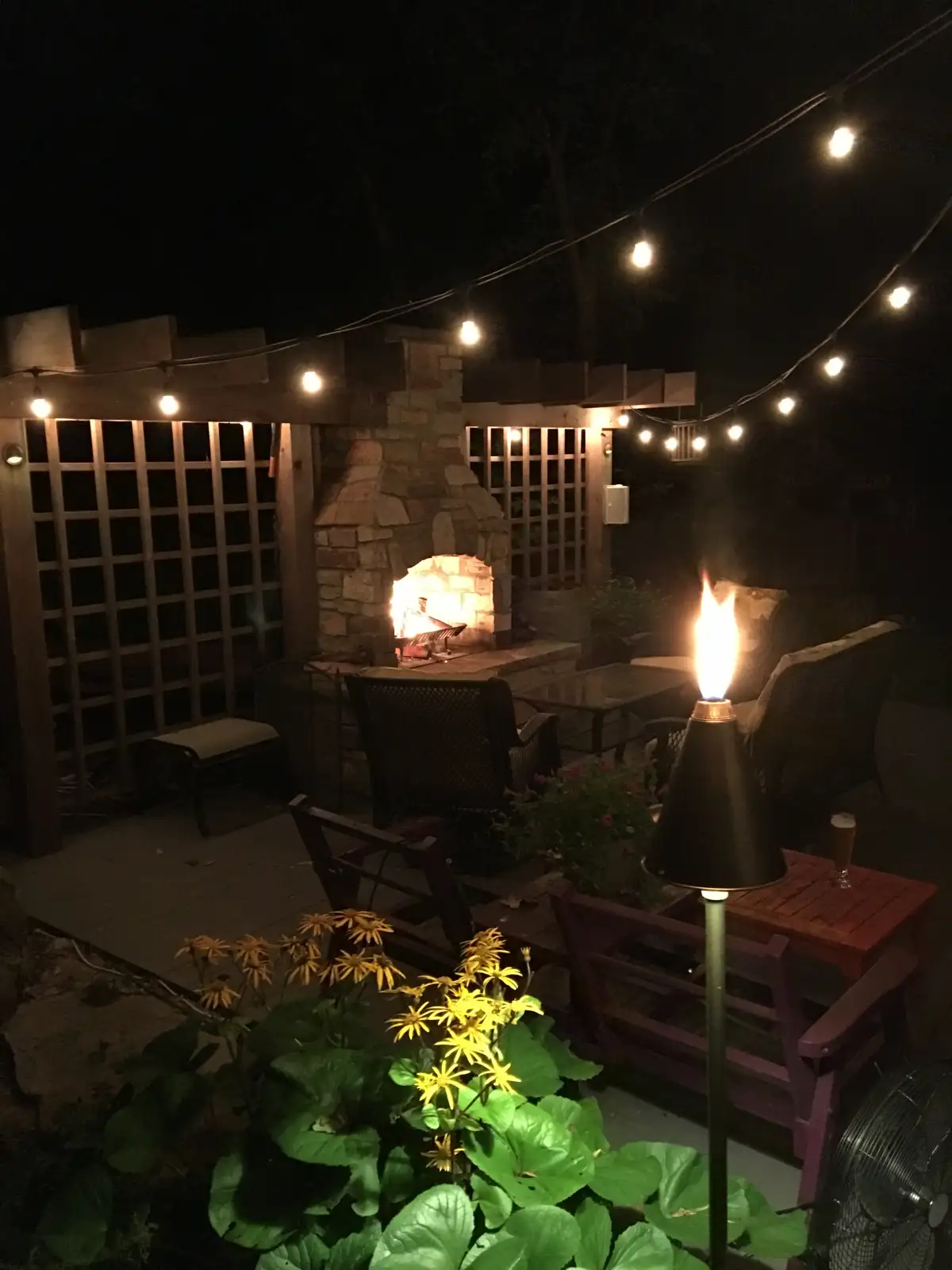
Fire Features
Ambient LED lighting paired with firelight creates layered illumination that is both functional and atmospheric.
Industry Certifications & Partnerships






Landscape Lighting FAQ
A professional landscape lighting system typically costs $3,000-$8,000 for a standard residential installation of 10-20 fixtures, including transformer, wiring, and labor. Larger properties or comprehensive systems with 25+ fixtures can reach $10,000-$15,000. When installed as part of a larger hardscape project, costs are lower because conduit and wiring are placed during construction. Standalone retrofit lighting installations are slightly higher due to trenching and landscape restoration.
Quality LED landscape fixtures are rated for 40,000-50,000 hours of use. At 6 hours per night (an average across seasons), that translates to 18-23 years before the LED module needs replacement. The fixtures themselves, made from brass, copper, or powder-coated aluminum, last indefinitely in Minnesota's climate when installed with proper drainage at the connection points. We specify fixtures from manufacturers that offer lifetime warranties on housings.
Yes. We regularly add lighting to existing hardscapes. Wiring can be routed along retaining wall bases, under patio edges, and through planting beds with minimal disruption. Uplights and path lights are surface-mounted or shallow-buried. Step lights can be retrofitted into wall faces with core drilling. The result looks integrated even though it was added after the original construction. That said, if you are planning a hardscape project, adding lighting during construction saves 20-30% compared to a retrofit.
Light Up Your Landscape
Schedule a consultation. We will visit your property at dusk, evaluate what deserves illumination, and design a lighting plan that transforms your outdoor space.