
Call Us: (612) 220-0101
Start the Process
(612) 220-0101
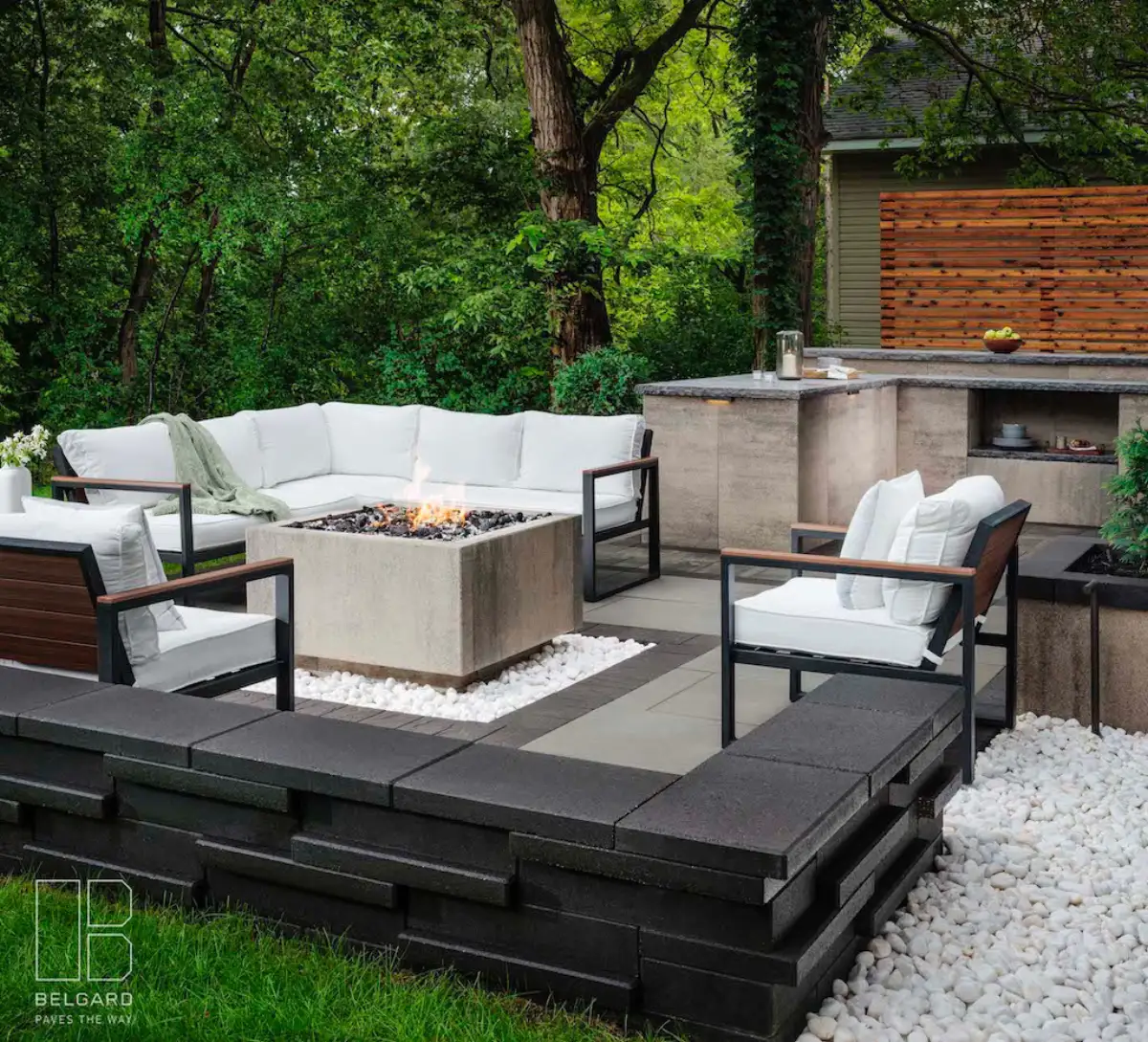
Finished paver patio with dining, lounge, steps, and landscape lighting

Patio Installation in Excelsior: 10 Questions to Ask

A clear proposal should explain what will be built, what is included below the surface, how the site will be protected, and how the patio fits the rest of the yard.

Know What You Are Booking, Not Just What It Costs

By Charlie Kraemer | | 9 min read

When homeowners search for patio installation in Excelsior, price is usually one of the first questions. It is important, but a useful estimate has to explain far more than a total. Patio size, excavation, base construction, drainage, access, steps, edge conditions, material choices, and restoration can all change what is actually included.

Excelsior-area properties may also bring mature landscaping, clay-heavy soil, older drainage paths, narrow side yards, and grade changes between the house, deck, lawn, and outdoor gathering areas. Those conditions do not make a patio impractical. They make it important to compare a complete scope before choosing a contractor or reserving a place on the schedule.

This guide gives you a practical set of questions to bring to a consultation. For an overview of Landscape Charlie's materials, planning, and construction approach, visit the patio installation service page. Homeowners can also review the company's broader service coverage on the Excelsior service-area page.

A Good Estimate Defines the Finished Space and the Work Under It

Ask for enough detail to picture the patio in use and understand how it will be built: finished dimensions, elevations, materials, transitions, base, drainage, access, restoration, and any work reserved for a later phase.

1. What Is the Patio Supposed to Do?

A dining patio, grill landing, lower deck terrace, fire pit lounge, and quiet seating area need different dimensions and circulation. Start with the number of people you expect to seat, the furniture you already own or plan to buy, and the routes people will use between the house, yard, driveway, and deck.

Ask whether the proposed layout leaves comfortable room to pull out chairs, walk behind a dining table, open a grill, and move between activity areas. A patio can have generous square footage yet still feel tight if a stair landing, door swing, or main walking route cuts through the furniture zone.

2. Are the Finished Dimensions and Elevations Clear?

Confirm the length, width, shape, and finished elevation before booking. The elevation affects how the patio meets door thresholds, deck stairs, existing walks, lawn, and planting beds. It also helps determine whether steps, retaining walls, or a different edge treatment belong in the scope.

If a deck and patio will share one circulation path, consider whether they should be planned together. The patio and deck combination approach coordinates landings, stairs, railings, and hardscape so one element does not create a difficult transition for the other.

3. How Will Water Move Across and Around the Patio?

Ask where rain, roof runoff, and snowmelt will go after the patio changes the grade. The plan should explain the intended pitch, how downspouts or existing drainage paths are handled, and whether water could collect near the foundation, a wall, a stair landing, or a frequently used walkway.

When a patio meets a slope or retaining wall, ask how base preparation, drainage stone, wall drainage, and edge support work together. These details should be coordinated before excavation, not improvised after the patio elevation is set.

4. What Is Included Below the Pavers?

The finished surface is only one part of the installation. Ask the contractor to describe excavation, the compacted aggregate base, bedding layer, joint material, edge restraint, and when site conditions may call for geotextile or other preparation. Minnesota freeze-thaw cycles make the construction below the pavers especially important.

Two estimates that name the same paver can still cover different work. If one proposal gives detailed base and edge information and another simply says “install patio,” request clarification before comparing prices.

5. Which Material and Pattern Fit the House and Daily Use?

Look beyond a small color sample. Ask how the field paver, border, laying pattern, texture, and joint color will relate to the siding, brick, deck boards, driveway, and existing walkways. Also consider furniture stability, barefoot comfort, snow removal, and how much visual pattern the space can carry.

If materials have different installation or maintenance requirements, ask for those differences in plain language. The goal is not to choose the most elaborate option; it is to choose a durable surface that belongs with the home and works for the way the patio will be used.

6. How Will Equipment and Materials Reach the Work Area?

Access affects equipment size, material movement, staging, and restoration. Ask where the crew expects to enter, where pallets and aggregate will be placed, whether gates or fence panels are involved, and which driveway or lawn areas will carry traffic.

On a property with a narrow side yard, mature planting, irrigation, or limited driveway space, the access plan may be as important as the patio plan. Confirm which surfaces and landscape features will be protected, temporarily moved, or restored when construction is complete.

7. Are Steps, Walls, and Edges Part of the Same Scope?

A patio price can look incomplete when steps, seat walls, grade transitions, or exposed edges are listed separately—or not listed at all. Ask how every side of the patio will be finished and how the surface will connect to the lawn, garden, walk, deck, and doors.

For a raised or sloped site, clarify whether wall caps, stair treads, handrail coordination, grading, and planting-bed restoration are included. Even if some pieces belong to a later phase, the first phase should leave a sensible connection.

8. What Should Be Installed Before the Base Is Closed?

Conduit and sleeves are easier to coordinate while the patio base is open. If you may add low-voltage lighting, a fire pit space, a pergola, an outdoor kitchen, or another walkway later, ask which routes and clearances should be planned now.

Future planning does not require building every feature at once. It means the first phase is placed and prepared so a later improvement is less likely to disturb completed pavers.

9. What Is Included in Cleanup and Restoration?

Ask what happens to excavated material, packaging, and construction debris. Confirm whether the proposal includes final grading, topsoil, seed or sod in access areas, resetting irrigation components, cleaning pavers, and restoring any driveway or lawn areas used for staging.

Restoration can be a meaningful part of the finished result, especially on an established Excelsior property. It should be clear whether it is included, priced as an allowance, or assigned to the homeowner.

10. What Could Change the Price After Booking?

Ask which assumptions the estimate is based on and what conditions could lead to a change order. Examples may include concealed site conditions, owner-requested material upgrades, layout changes, added steps or walls, drainage work beyond the defined scope, or access conditions that differ from the consultation.

Also ask how changes are documented and approved. A clear process helps both parties distinguish a genuine scope change from work that should already be part of the original proposal.

How to Compare Patio Estimates Side by Side

Do not compare totals until the scopes are aligned. Make one simple list with the items below, then note where each proposal answers the question and where you need clarification:

  • Finished patio dimensions, elevation, and layout
  • Paver or stone, color, border, and pattern
  • Excavation, base, bedding, joints, and edge restraint
  • Drainage, downspout, step, and wall coordination
  • Access route, staging area, and protection plan
  • Lighting conduit, sleeves, or future-phase preparation
  • Cleanup, grading, and landscape restoration
  • Allowances, exclusions, and change-order process

If cost is the main planning question, the Minnesota patio cost guide explains the scope choices that commonly affect an estimate. Use it as preparation for a property-specific conversation rather than a substitute for a site review.

Planning a Patio in Excelsior?

Tell Landscape Charlie how you want to use the space, which features matter now, and what may come later. Include any concerns about drainage, grade, access, deck connections, or existing landscaping so the first conversation can focus on the right scope.

Request a Patio Consultation

FAQ: Patio Installation in Excelsior, MN

What should an Excelsior patio installation proposal include?

The proposal should define the patio dimensions, paver or stone selection, excavation and base preparation, drainage approach, edge restraint, steps or wall tie-ins, site access, material staging, restoration, cleanup, and any future-ready conduit or sleeves.

How can I compare patio estimates that are not written the same way?

Create one comparison list for the finished size, materials, base and drainage details, access assumptions, included features, restoration, and exclusions. Ask each contractor to clarify missing items before comparing the total price.

Why do access and grade affect an Excelsior patio project?

Limited side-yard access can change equipment, material movement, staging, and lawn restoration. Grade affects excavation, drainage, steps, walls, and how the patio meets doors, decks, and walking routes.

Should future lighting or a fire feature be planned before patio installation?

Yes. When future features are likely, conduit, sleeves, clearances, and routes can often be coordinated while the patio base is open so completed hardscape does not have to be disturbed later.

Where does Landscape Charlie provide patio installation?

Landscape Charlie serves Excelsior and nearby Lake Minnetonka and western Minneapolis communities, including Minnetonka, Wayzata, Deephaven, Orono, Plymouth, Eden Prairie, Chanhassen, Chaska, and Victoria. Use the contact form or call (612) 220-0101 to start a conversation.

Charlie Kraemer
Charlie Kraemer
Owner of Landscape Charlie, Belgard Advisory Council member, and landscape design professional with 30+ years of experience serving the Lake Minnetonka area.