
By Landscape Charlie | | 7 min read
A phased outdoor living project should feel like one yard being completed over time, not a series of unrelated additions. The difference is decided before phase one begins. A complete plan identifies final patio elevations, drainage routes, wall locations, utility paths, shade structures, planting beds, and circulation even when only part of that work is scheduled for the first season.
That advance planning is especially useful around Excelsior, where established lots may combine mature trees, tight side-yard access, older deck connections, lake-area slopes, and drainage patterns that cannot be casually redirected. The goal is to finish each phase cleanly while protecting the work that still needs to happen.
Start With the Finished Yard, Not the First Purchase
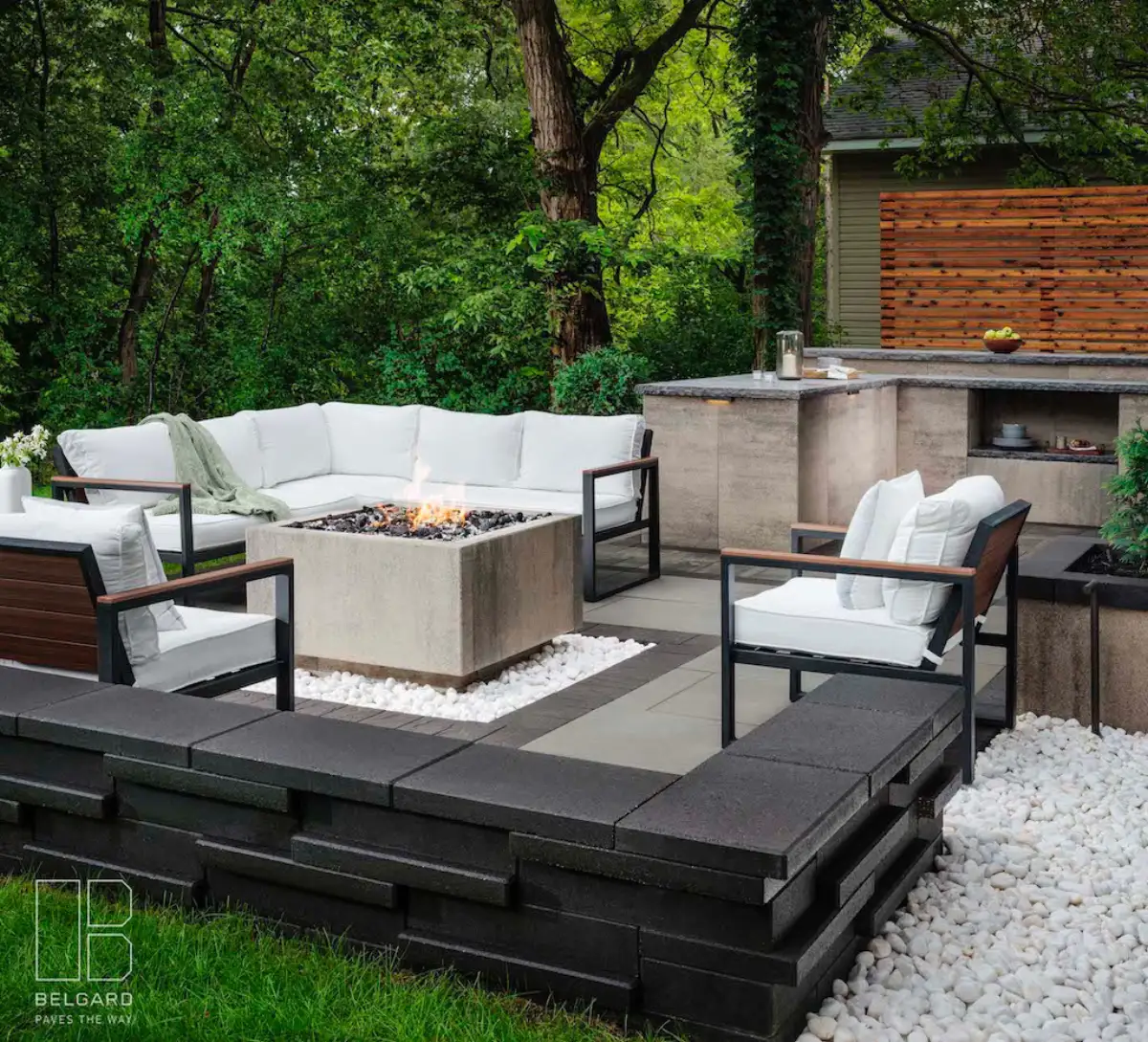
Begin by drawing the complete outdoor room. Show the eventual dining and lounge areas, the route from the house, changes in grade, furniture clearances, a possible fire feature, lighting zones, and any pergola, deck, or hot tub connection. A full outdoor living design-build plan gives every phase a fixed destination.
This avoids decisions that look harmless in isolation. A patio can be the right size yet sit too close to a future footing. A retaining wall can solve today's slope but leave no comfortable stair route. A planting bed can occupy the only practical path for equipment when a later phase begins. Planning the final arrangement first makes those conflicts visible on paper instead of after construction.
Put Permanent Ground Work in the Earliest Phase
The first phase should usually include work that controls elevation, water, and structural support. On a typical Excelsior property, that can mean demolition, grading, drainage, retaining walls, primary steps, and the base for a paver patio. These are the parts that later finishes depend on.
- Set final elevations: Confirm door thresholds, deck stairs, wall heights, and patio pitch before separating the project into seasons.
- Protect drainage: Establish where roof water, surface runoff, and snowmelt will move after every phase—not only after the final one.
- Preserve access: Complete excavation-heavy work before narrow gates, finished planting beds, or delicate surfaces restrict equipment movement.
- Build shared foundations once: If two phases meet at a wall, stair, or patio edge, prepare that connection as part of the earliest structural work.
Rough In Utilities While the Site Is Open
Future features often need infrastructure beneath completed hardscape. Conduit for low-voltage lighting, sleeves for irrigation, gas routing for a fire feature, electrical service, drainage pipe, and pergola footings are easier to coordinate before pavers and planting are installed.
Not every future product needs to be selected in phase one, but its location and technical requirements should be known. A sleeve placed in the wrong area is not useful. The plan should document where each line begins, where it ends, and how the later contractor can reach it without cutting through the finished patio.
End Each Season at an Intentional Edge
A good stopping point looks finished and remains easy to extend. Straight or deliberately shaped hardscape edges, capped walls, stable temporary steps, and clearly defined planting boundaries are better than leaving an irregular gap where the next phase might begin.
The transition also has to remain safe through an Excelsior winter. Exposed base material should not wash into the lawn. Temporary grade changes should not collect water or create a trip hazard. Drainage must work during the months between phases, and snow storage should not block the next construction area.
A Practical Three-Phase Backyard Sequence
The right sequence depends on the lot, but this example shows how construction dependencies can guide the schedule:
Phase One: Grade, Drainage, Walls, and the Main Patio
Complete the work that establishes usable ground: excavation, drainage corrections, any required retaining wall, steps, patio base, primary pavers, and underground sleeves. Leave documented connection points for lighting, gas, shade, and later patio extensions.
Phase Two: Fire, Shade, and Evening Use
Add the features that extend comfort: a fire pit space, pergola or other shade structure, permanent lighting fixtures, and the electrical or gas components already anticipated in phase one. Because clearances and footings were reserved, this work should fit without dismantling the main patio.
Phase Three: Planting, Screening, and Final Connections
Finish privacy planting, garden edges, secondary paths, furniture zones, and the connection to a renovated deck or hot tub area. Planting can soften walls and hardscape once heavy equipment no longer needs to cross those beds.
Budget the Whole Plan, Then Authorize One Phase at a Time
Phasing changes timing, but it does not eliminate shared costs. Mobilization, material price changes, temporary restoration, and protecting finished work can make three separate builds cost more than one continuous project. A useful master budget identifies those tradeoffs and separates work that truly can wait from infrastructure that is economical to install early.
Landscape Charlie's project investment guide explains how property conditions and feature choices influence overall scope. For a phased plan, request clear boundaries for each construction season and confirm which early costs support later work.
Phasing FAQ for Excelsior Outdoor Living
Which parts of the project should usually be built first?
Permanent site work generally leads the sequence: grading, drainage, retaining structures, main steps, patio base, and underground utility routes. The final master plan should determine the exact order for your lot.
Can the patio be installed before a pergola or fire feature?
Yes, if the patio already reserves the correct clearances, footings, structural support, and utility routes. Those requirements need to be designed before the surface is installed.
What should be placed beneath the patio for later phases?
Depending on the plan, early rough-ins may include lighting conduit, electrical service, irrigation sleeves, a gas route, drainage lines, or footings for a shade structure. Each location should be measured and documented.
How do you make a later phase connect cleanly?
Plan where the first phase will stop and record the intended future connections. Review elevations, drainage, supporting construction, access, and utility needs before finalizing that boundary. Later choices or changed conditions may still require some completed work to be modified.
Landscape Charlie serves Excelsior and nearby Lake Minnetonka communities from Shorewood. To map a build sequence for your property, start a design-build consultation or call (612) 220-0101.